Friday, October 13, 2006

Adult Stem Cells Help Repair Radiation Damaged Tissue


I was excited to see this news release by the Director of the Clinic for Radiation Therapy as a result of the 25th Annual Congress of the European Society for Therapeutic Radiology and Oncology (ESTRO) held in Germany on the 9th of October.

In a nutshell, adult stem cells when infused after radiation therapy for cancers helps to alleviate the side effects of mucosa (think nasal passages, throat, digestive tracts etc) and skin.


The news release was so clear in its message that I'd like to post it almost in its entirety:

"Stem cell research will have many consequences for various fields of medicine", predicts Catherine Verfaillie, Director of the Stem Cell Institute of the University Leuven (Belgium), in a review lecture during the Presidential Symposium of the ESTRO conference on October 9. For example, stem cells that settle in the organ systems could be stimulated and then repair tissue damage. Radiation therapists have been following this track for some time in various projects that are presented at the ESTRO conference.


Even though the results were obtained in studies on mice, I hope that the radio-oncologists are taking note...!


INTERNATIONAL PROJECT. Rob Coppes of the University Groningen (The Netherlands) presents an EU-sponsored international undertaking at the conference, which is called the "FIRST Project" for short. (FIRST stands for "further improvement of radiotherapy through side effect reduction by stem cell transplantation").

The researchers have discovered that the side effects of a radiation therapy on various healthy tissues, such as skin and mucosa, can be reduced by treatment with adult stem cells. The stem cells migrate to the radiated tissue and support its regeneration. If studies confirm that this stem cell effect also occurs in humans, this would expand the treatment options for tumours because currently valid radiation dosage limits could be surpassed.

For instance, a radiation-biological research team led by Wolfgang Dörr of the Clinic for Radiation Therapy and Radiooncology at the Technical University Dresden reports that adult stem cells can reduce the side effects of radiation therapy on the mouth mucosa in mice. The scientists observed that the radiation tolerance of the mucosa was clearly increased if the animals received a bone marrow transplant prior to or during a fractionated radiation - during which adult stem cells are also transferred practically automatically.

A comparable effect was also observed by the scientists when they lured the stem cells from the bone marrow of the radiated animals into the blood circulation by injecting a growth factor, called G-CSF for short.


MESENCHYMAL STEM CELLS PROTECT. A team led by Dr. Michèle Martin of the Service de Génomique Fonctionnelle from Evry (France) also reports on studies in mice. The researchers had treated the animals with a radiation dose that led to tissue damage of the skin within three weeks. Without treatment, it took eight weeks until this damage had healed. Part of the mice was injected by the researchers with human mesenchymal stem cells 20 hours after the radiation exposure. The stem cells were adult stem cells from, e.g., the bone marrow that can differentiate into fat, cartilage, tendon, skin or muscle cells.

The scientists noted that the skin damage in the treated animals healed faster and better than in the untreated animals. In addition, the scientists examined tissue samples from the damaged skin areas. The stem cells - so the result - had indeed migrated to the radiated skin regions. As Martin reports, their morphology was similar to that of the epithelium.

I have a few friends who are currently undergoing chemo and radiotherapy. If eating and breathing could be made more comfortable, I'm sure they'll want to know about it. I'll tell them about it tomorrow.

Wednesday, October 11, 2006

Updates on Cord Blood Stem Cell News

Congratulations to the St. Louis Cord Blood Bank which has just announced the 1,000th cord blood stem cell unit which has been exported for transplant!

It is the world's second-largest cord blood repository and its continued development is testament to the value of cord blood stem cells in disease treatment. The article states "Cord blood is a source of adult stem cells which are as effective as a bone marrow transplant in fighting leukemia and lymphoma. Cord blood is collected from the umbilical cord at birth."

The bank began shipping units of cord blood for exportation worldwide in 1997 and is a member of the NMDP, a consortium of public cord blood banks. Their website FAQ makes it clear that although donation does not cost the donor any money, the donor also has no exclusive rights to the stored unit, as it is in the bank's discretion to provide it to another patient in need or to a laboratory for research purposes. Most of the public banks charge patients for the release of units, with the cost typically being in excess of USD 21,000. So in this regard the St. Louis bank is probably the most cash-generative public access bank in the world, although the release fees probably still don't cover the high costs of operating this facility in the US.

In a separate article, a famous Netherlands-based medical researcher Dr. Pieter Doevendans criticized the practice of private cord blood banking, alleging that mothers have to pay a hefty fee for an idea that may not yield any results for another 50 years.

The press went on to quote him as saying "There is no proof that one can use cord stem cells to cure a disease, be it leukemia or thalassaemia...Storing cord blood cells may help 50 years down the line, but not before."

Dr. Doevedans is wrong, wrong, wrong. Who knows what his sources are, but if he had been reading this blog or the Malaysian newspapers, he could have learned about how in the last four years StemLife has assisted in two life-saving cord blood stem cell transplants; one for leukemia and one for thalassemia major. There have been similar leukemia transplants in Europe. Dr. Doevedan's mis-informed comments are a dis-service to patients, doctors and scientists seeking therapies using cord blood stems cells. Perhaps he should re-read the hippocratic oath.

Apparently, private banks in the Netherlands charge large sums to bank cord blood stem cells for a period of ten years and the same applies in India. In Malaysia our pricing is very reasonable (less than a teh-tarik per day!) and anyone who knows the costs of medical consumables and what it takes to run a good service would know that we're very prudent about managing the pricing to make stem cell banking affordable. Compare the upfront charge to the amount that public services charge, with no greater guarantees that the unit would be available, and the banking fee in Malaysia is actually very affordable.
Perhaps Dr. Doevendans comments are explained by the fact that instead of working with cord blood stem cells he works on highly speculative (though important) embryonic stem cell research to generate cardiomyocytes from pigs and mice. He is hoping that the research will result in tissues which are able to be sewn onto the heart within 5 years. Notably, he is also a scientific advisor to a Singapore company Embryonic Stem Cell International (ESI).

Umbilical cord blood stem cells have effectively been used to treat thalasemia and leukemia and a number of other illnesses. How many leukemia patients have been saved with embryonic stem cell transplants? NONE.

Tuesday, October 10, 2006

Prince Hisahito's cord blood stem cells

Does anyone know if Prince Hisahito's cord blood stem cells were successfully donated? I'm wondering if maybe they may have kept the cord blood stem cells for the Prince.

Prince Akishino and Princess Kiko offered to donate their baby's cord blood stem cells during her Caesarean section at Aiiku Hospital in Tokyo. Prince Hisahito was born on September 6th and is the male heir in line for the throne.

You can find out more about the story here.

Friday, October 06, 2006

"A 40-Year-Old-Man WITH 20-Year-Old-Legs"..... Rebuilding Muscle Strength with Stem Cells

Following the previous article published by the Times mentioning famous footballers banking their babies' umbilical cord blood stem cells, this article expresses why athletes apart from footballers may be interested in this area.

Stem cells can treat diseases and save lives, but now their full range of potential is being explored in tissue regeneration - not just in repairing organs that fail- but to heal soft tissue injuries (think aching muscles) and according to the article "boost strength, endurance, and provide a lasting edge over the competition".

Paul Griffiths, managing director of an umbilical cord blood stem cell bank called Cryogenesis International in the UK believes that injecting stem cells into healthy muscles might "increase their size and even restore them to their youthful capacity".

"You could potentially find a 40-year-old man with 20-year-old legs," Paul Griffiths said.


SPORTS ETHICS

It is already well-known that some athletes are at a greater advantage than others, by taking advantage of environmental enhancements. Those who have adequate sponsorship can pursue high-altitude training or have personal trainers and physiotherapists. Could stem cells be the next unfair advantage?

The issue might be how to detect if an athlete has had stem cell injections for performance enhancement (sports doping) and whether it has any real effect on the long term sustainability of the athelete. Even if the athlete's own stem cells were injected back into the muscles, those muscles may only regenerate to a limited amount with a short space of time. So sports doping with stem cells is probably going to be difficult as it does take months to build up the muscles and the injected cells may have already blended into their new environment making it almost impossible to detect.

HEALING OF SOFT TISSUE

It has already been shown in animal trials that stem cells have been able to regenerate soft tissue such as ligaments, tendons and muscles. Whilst soft tissue has a very healthy rate of repair, som injuries are too great and lead to scarring and ultimately weak fibers that are unable to withstand much further tension.


RESEARCH FROM ITALY & CANADA

Separately, in an article published in The Genome News Network 2003 both Canadian and Italian scientists found that stem cells were able to regenerate damaged muscle to give rise to new muscle fibers. But the interesting work, in my opinion is what they discovered with muscular dystrophy.


EXTRACTED FROM THE ARTICLE: The research could lead to new treatments for muscle-wasting diseases, such as muscular dystrophy, and for restoring muscle strength in elderly people. Athletes may also be interested in the new findings, which lend credence to the “no pain, no gain” approach to strength training and may lead to new strategies for bulking up.

In one study, Giulio Cossu, of the Stem Cell Research Institute in Milan, Italy, and his colleagues restored muscle function to mice with muscular dystrophy. The researchers injected stem cells from the blood vessels of healthy mice into leg arteries of mice with muscular dystrophy. The stem cells, which they call “mesoangioblasts,” accumulated in the diseased muscle within hours and eventually gave rise to healthy muscle tissue.


The Canadian study demonstrated that the muscle's amazing ability to regenerate stems from a particular protein known as Wnt (if you are a molecular biologist, check this out), which is released from damaged muscles and stimulates the stem cells to form new muscles. However, as people age, these signals diminish and the cells lose their ability to regenerate. The understanding of this process could lead to new strategies for increasing muscle strength in both aging and diseases tissues.

One of the Canadian researchers has since started a company by the name of Stempath to discover drugs which can be used to stimulate muscle stem cell production. Those types of drugs used in athletes, could be certainly considered as "sports doping".


Coming full circle again, the younger the stem cells are, the better the chance of regeneration and repair. Whether you fancy yourself as a weekend athlete or a true sports professional, perhaps stem cells may be able to help with your condition. If its your own cells and not drug based, no harm in trying. :)

StemLife has banked stem cells for several keen tennis players and runners. We look forward to more healthy Malaysian athletic stem cell bankers in the near future!

Sunday, October 01, 2006

Transplants In Malaysia


In the STAR newspaper last week, I read about the transplant scene as updated by the National Transplant Resource Centre in Malaysia. Although not totally related to stem cell transplants (although you'll see why chronologically), some of the statistics are quite interesting and I thought it would be good to record them in this blog entry (for posterity!)

1st organ transplant that took place at KLGH (Hospital Kuala Lumpur) on the 15th of December 1975 was a renal transplant.
To date, there have been 1,005 renal transplants in the country.

1st Heart transplant was performed at Institut Jantung Malaysia (IJN) on 18th December 1997.
15 Heart transplants have been done to date.

1st Liver transplant was performed at Subang Jaya Medical Center in 1995 and subsequently at Selayang Hospital.
To date approximately 50 liver transplants have been performed (mostly living donors to related children).

1st Corneal transplant was performed in Malaysia in late 1960's.
A total of 1,231 have been reported to date.

1st Bone marrow transplant was performed in University Hospital (UMMC) for children in 1987 and later for adults. HKL started their ward in 1994 and followed subsequently by HUKM and SJMC.
Up until 2003, a total of 634 bone marrow transplants were performed, of which 372 were for children and 262 were for adults.


Since 2003, StemLife has enabled 2 cord blood stem cell transplants from parents who would not otherwise have banked their baby's cord blood stem cells.

We're looking forward to assisting more families in the future for their stem cell treatments- its the reason we started StemLife.

Saturday, September 30, 2006

StemLife wins Technology Business Review Award 2006


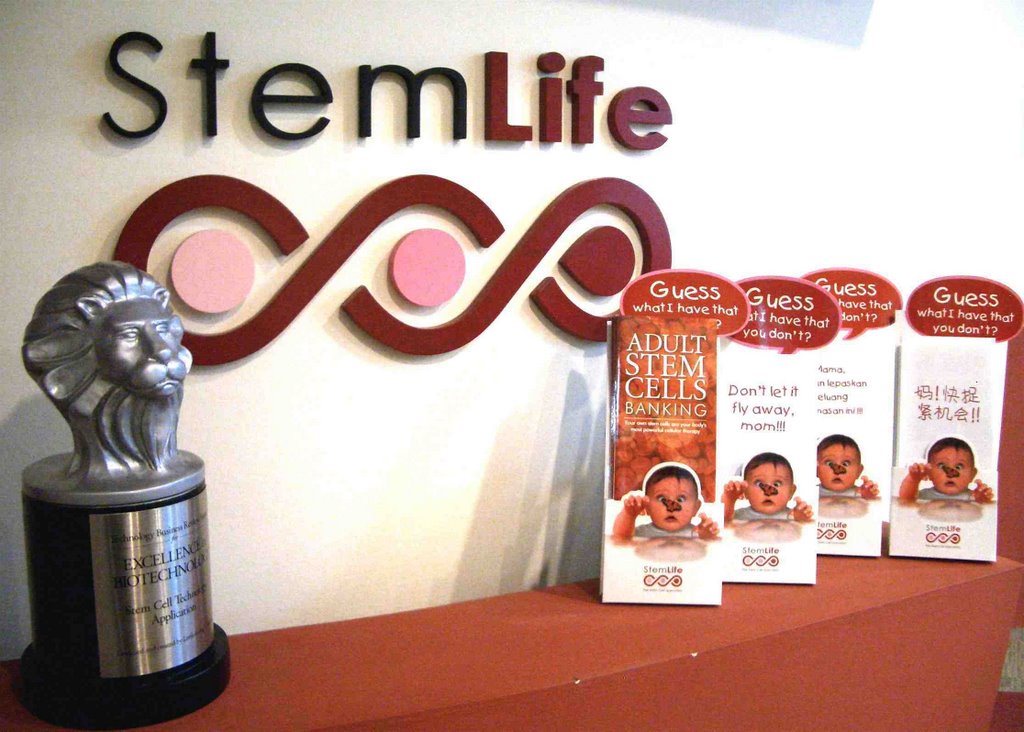
STEMLIFE won this year for Excellence in Biotechnology for Stem Cell Medical Application at the inaugural Technology Business Review (TBR) Award. (note, the award is the Lion's head on the left of the StemLife logo)


PRIZE-GIVING CEREMONY

It was a beautiful evening at one of KL's largest hotels, The Palace of the Golden Horses. All winners were invited on stage to give a thank you speech and take a group photo.


I would like to take this opportunity to share the photos and thank our colleagues who weren't in KL or able to attend. It is because of my wonderful team's continuous contribution to the company to achieve our goals that I was able to stand on stage to receive the award.

While the other companies there have won many awards before, this was StemLife's first. My team has also promised me that it will not be our last.

Tuesday, September 26, 2006

Cord Blood Registry switches to CLOSED system cord blood stem cell processing

NO MORE VIALS FOR CBR? - ONWARD WITH THERMOGENESIS CRYO-SYSTEMS & SPECIALLY DESIGNED CRYOBAGS...!

I read with great interest that one of the world's largest and oldest cord blood stem cell banks, Cord Blood Registry (CBR) made an announcement on a 15-year contract with GE Healthcare (distributor) and Thermogenesis (manufacturer) to puchase disposables and utilize an auto expressor system to separate the stem cells. Presumably, this will also put CBR in line with AABB's new guidelines specifying that closed system processing and storage of stem cell units with "integrally attached segments" (ie the multi-compartment bag from Thermogenesis).


From the Thermogenesis website

Post FY2006

*In August 2006, GE Healthcare and Cord Blood Registry (CBR), the world's
largest family cord blood bank, announced a multi-year contract to supply
CBR with ThermoGenesis' AutoXpress cord blood processing system and
disposables and ThermoGenesis signed a Product Development and Supply
Assurance Agreement with CBR which assures the supply of AutoXpress
products for a 15-year period.


This no doubt is very profitable for Thermogenesis which according to their press release stands to gain more than 4 million USD in disposable revenue each year for the next 15 years from CBR alone.

We were approached by the company as StemLife has banked clients' stem cells in Thermogenesis cryo-bags since the beginning, but we have yet to evaluate the auto expressor system and its pricing for suitable application for the Malaysian and Thai market. Right now, our 24 hour lab service and passionately responsible laboratory team members ensure that all the strictest standards are adhered to, which we have proven through facilitating transplant requests.

Friday, September 22, 2006

StemLife Malaysia hosts 4th Annual Asia Pacific Cord Blood Bank Consortium Meeting (APCBBC 2006)


In above photo (L-R): Gwendolene Yeo (Representative- Cordlife Singapore), Chris Tsai (Founder- BabyBanks, Taiwan), Gordon Milliken (Founder- Cryosite, Australia), Sharon Low (Founder- StemLife, Malaysia), Keith Mo (Representative- Cryolife, Hong Kong), Han Seong Bang (Representative- Lifecord, Korea)


1st APCBBC MEETING HOSTED IN MALAYSIA

On the 7th of September, representatives and founders from leading cord blood stem cell banks met up for the annual industry meeting in Kuala Lumpur, hosted by StemLife. The consortium which has been actively meeting up since 2004 is the first Asia Pacific Cord Blood Bank Consortium to have been founded by cord blood banks in this region. Members include Japan, Korea, Taiwan, Hong Kong, Thailand, Malaysia, Singapore and Australia. Based on processing and banking standards and success in proper business management, participating cord blood stem cell banks presented their updates and shared their challenges and experiences for the past year.

Entitled "Stem Cells: A Global Phenomenon and Medical Revolution in Asia", all members are from very different countries with a myriad of languages, cultures, varying stages of scientific progress and healthcare facilities. Nonetheless, the presence and success of cord blood stem cell banking indicates that Asia has a healthy market for this service and the related treatments that stem cells bring. Whilst the US and Europe have invested themselves in research and mired themselves in debating what type of stem cells to fund, Asia is making progress in educating local audiences in more than 7 languages about what stem cells are already available for collection and with clear and proven evidence of therapy. All Consortium members believe that this will only grow as the benefits of stem cell applications increases over time and are pro-actively taking steps to explore ways to progress and contribute to the expansion of this industry.

It was a superb meeting and StemLife is proud to be the host this year. StemLife has also been appointed by the committee as the secretariat to the Consortium which I will chair. We're in the process of setting up a recruitment process for other banks to participate and actively contribute to the knowledge and credibility of the industry. If you wish to join us, please write to me and I'll put the application forward to the board of governors.

You can read the press release here.

Monday, September 18, 2006

UPREGULATION OF STEM CELLS BY LIFTING p16-Ink4: THE KEY TO ANTI-AGEING?


Here's why its good to bank your stem cells early.....

The latest article to cause a buzz amongst the scientific community because of its clinical implications was announced recently in Nature by Dr. Norman E. Sharpless of the University of North Carolina, Dr. Sean J. Morrison of University of Michigan and Dr. David T. Scadden of Harvard Medical School.

The main finding was by Dr. Sharpless's team who had genetically engineered a mouse strain with a knock out (ie the gene no longer functions) of the gene that codes for a protein known as p16-Ink4. The reason why this particular protein is of interest and importance lies in its function. p16-Ink4 has been established to be part of a family of proteins that protect cells and suppress tumours (think of the function of the "Oracle" in the film 'the Matrix').

ROLE OF p16-INK4

In the body, cell growth, division and death is a very tightly controlled and highly regulated process which as yet has to be fully understood. Controlled by many growth promoters and inhibitors, some genes (proto-oncogenes) encode proteins that promote cell proliferation and some genes encode proteins that inhibit this cycle -and instead promote cell death- called tumour suppressor genes. p16-Ink4 belongs to the tumour suppressor group of proteins which protect the cell from unplanned cell divisions and act as our body's own anti-cancer program by inhibiting the division and production of new cells.


THE EXCITING DISCOVERY

As a result of the work from 3 separate research groups, all groups confirmed that the amount of p16-Ink4 is greatly increased with age. The protein is up-regulated to prevent cancer formation in older individuals but is equally effective in blocking stem cell division- hence reducing the rate of regenerative capability in the body. This implies that if the production in p16-Ink4 in stem cells, perhaps other cells can still remain on course but our regenerative capacity can continue. Furthermore, if this pathway can be manipulated then perhaps cells and tissues may be able to regenerate more quickly and perhaps without the restriction of "age".

However, the scientist do not yet know what stimuli makes cells increase their production of p16-Ink4 nor exactly how much and when. They also do not yet know if increasing the protein will result in early cell death.


YOUNGER ALWAYS BETTER THAN OLDER

This finding may explain why older patients do not do as well in bone marrow transplants as younger ones, supposed Dr. Morrison and adds that the robustness of younger people's cells was already well known.


"The cells of a 70-year-old produce 10 times as much of the Ink4 protein as those of a 20-year-old, Dr. Sharpless said".


A good reason to bank your stem cells early!


I wonder if they could take a look at cord blood stem cells and see what levels of p16-Ink4 proteins are at vis-a-vis a 16 or 40 year old's peripheral blood stem cells. I think the team at StemLife would be happy to provide our blood stem cells for this purpose! :)

Tuesday, September 05, 2006

Yes, the ENVIRONMENT is important to adult stem cells too


With all this pollution going on in Malaysia before Merdeka day, I had to look at this news piece which had the word "environment" in it. Fortunately, we had a big rainstorm here in KL on the eve of Merdeka day and for the first time in 2 months I saw the clear blue sky between the cumulus clouds.


Anyway, back to Stem Cells- Scientists from UPenn's School of Engineering and Applied science have announced in a very prestigious journal "CELL", some very interesting findings on the development of adult stem cells based purely on the hardness or softness of the surroundings. They didn't use any chemical signalling, which is often rated highly amongst scientists as the most important way for cells to move around or know what they ought to form. Mesenchymal stem cells, those most often found in the bone marrow are able to "feel" their physical environment to form the type of tissue that they ought to become.

"According to the researchers, soft microenvironments that mimic the brain guide the cells toward becoming neurons, stiffer microenvironments that mimic muscle guide the cells toward becoming muscle cells and comparatively rigid microenvironments guide the cells toward becoming bone."

The concept that mesenchymal stem cells sense their environment through the force it takes them to push against surrounding objects and the force translates into internal cellular signals which cause the cell to differentiate tinto particular types of tissue is extremely exciting and could lead to a new concept in thinking of how to get the types of cells that we want.

It is also interesting that the researchers highlight that in the event that the tissue into which the stem cells are infused are too damaged (eg severe heart attack or spinal injury), the stem cells may not know what to differentiate into resulting in the lack of effectiveness. But they do believe that it is possible to get round this problem... by creating an environment which acts like the normal tissue to prime the stem cells before implantation.

So, say if you have heart disease and are asked if you have a soft heart or a hard heart...? Tell Prof Sweeney, your cells might be able to be primed in advance :)


StemLife has an on-going collaboration with the National University of Singapore's Nanoscience & Nanotechnology Initiative (NUSNNI) to explore the way cells divide and differentiate in different 3D environments.

Penn researchers included in this study include Adam J. Engler and Shamik Sen from the School of Engineering and Applied Science and H. Lee Sweeney from the School of Medicine.

Sunday, September 03, 2006

Hilarious Stem Cell Podcast!

I've never tried podcasting but it seems like a fun thing to do if you have all the right audio equipment to make the information entertaining. One of my friends sent me a link to a hilarious podcast by a Singapore based blogger. In this audio clip, he discusses the topic of embryonic stem cells, how lay people may perceive the subject and be used in potentially fraudulent ways.


There are a few points you should know before you listen to the clip:

1) Language used- "Singlish" (a Singaporean style of English, which may be hard to understand if you're not from there)
2) Podcast is based on the recent news that Singapore has made embryonic stem cells for sale to researchers
3) That Singapore does not permit the sale or trade of chewing gum (in effect for many years now)

Wait for the entire clip to download (best on broadband) and you'll probably need to listen to it more than once to pick up on every nuance. :)


If you're a regular reader of this blog then you'll know that I don't usually discuss embryonic stem cells, as this is not our area of expertise. However, it presents a wonderful opportunity for me to reiterate that the stem cells that StemLife banks and uses in therapy are derived from umbilical cord blood and adult peripheral blood, not embryos. Further, our active clients are assured that not a single drop of their baby's stem cell units in the tank are used for any other purpose than their treatment.

Monday, August 28, 2006

Footballers are banking babies' stem cells for their own fix

My colleague from Thai StemLife emailed me this article published in the Sunday Times, UK about professional footballers who had banked their babies' cord blood stem cells for future use with 2 private cord blood stem cell banks. The article cites the footballers saying that they were banking their baby's stem cells was for future therapeutic uses, including for their own cartilage and ligament repair.

POSING A CHALLENGE TO THE ETHICS OF PARENTS?: Although some people are concerned that banking of cord blood stem cells for use by a parent would raise questions as to whether parents may conceive in order to obtain stem cells, I think that this is probably highly unlikely for the following reasons:

1) Baby's stem cells are a genetic blend from each parent- there is no guarantee that it will match either father or mother.
2) If the parent wanted to select the genes to match their own, this is probably very expensive and may not yield a successful preganancy.
3) It takes 9 months to carry a baby to term!
4) There are no guarantees on the volume (or concentration) of umbilical cord blood that can be extracted during birth.


All that being said, cord blood stem cells are easily collected and it is a great source for newborn babies. Hooray to Thierry Henry, Arsenal Captain and France's renown striker who has banked his daughter Tea's (pronounced Tay-ah) stem cells for their own future use. If his children are sports personalities too, the stem cells might indeed come in handy for them in the future. Consider banking your own stem cells too Mr. Henry- you have a lot of fans cheering for your continuing illustrious career!

Hmm.. Now I'm wondering if David and Victoria Beckham banked their babies' cord blood stem cells too...


StemLife offers adult stem cell banking to individuals wishing to store stem cells for their own therapeutic use. These may include but are not limited to cancers, heart disease, diabetic foot ulcers. If you're an active sports person, you might like to consider banking your own adult stem cells for potential injuries. Admittedly whilst it may not be curative, your own stem cells may play an important role in repair of the injured site and make it less prone to re-injure again, with potentially less side effects than drugs and other painful remedial techniques.

Saturday, August 19, 2006

THE USE (AND ABUSE) OF STEM CELLS IN THE PURSUIT OF BEAUTY

Almost every time that I present publicly about what stem cells are and the services that StemLife provides, it is inevitable that someone in the audience will ask: "Can stem cells be used for anti-aging?". My honest reply is that StemLife is not currently working in this area which is dominated by botox, plastic surgery and implants. The next question often is more like a statement... "But other countries are offering stem cell therapy for anti-aging, aren't they?"

I'm no expert in this area of medical/surgical-enhancement but have heard rumours about many well-to-do individuals spending upwards of USD 70,000 on animal-derived stem cell therapy at special clinics in Switzerland which lasts for a year before they have to return for a 'top up'. Generally speaking, I don't have anything against people wanting to look young (aesthetics and proper grooming does play an important factor in finding mates, jobs etc.) and if stem cells can play a significant role in this area then it should be explored.

On the other end of the spectrum, I came across this article which reported that impoverished women were being paid USD 200 to abort the 8-12 week fetus and "donate" the fetus for stem cell extraction, which are then sold to exclusive cosmetic clinics. I find this practice disturbing - not only because abortion is morally complex and may be considered inhumane (let's not forget the health of the mother)- but also the concern of what diseases may be transmitted in the process.


My questions would be:

1) The source of the stem cells- is the source free of all infectious diseases and other transmissible conditions?
2) How are the cells collected and how are they processed?
3) Are there any additives and reagents used in the harvest or processing?
4) Does the final product contain cells or cellular extracts?
5) By which route is the product administered?
6) Possible allergic reactions or tumour formation?


THE POTENTIAL DOLLAR VALUE OF AN EMBRYO

The price set for obtaining fetal cells makes me wonder about whether embryonic stem cells obtained from discarded embryos have any assigned value. Some thoughts for those considering an IVF procedure- it might be good to check first on the facility's policies on what happens to the discarded embryos- if they are discarded or put through to commercial use or research.

HOW TO PREVENT THOSE EMBRYOS GETTING INTO THE WRONG HANDS

One thing that those going to IVF clinics could query is what happens to their discarded embryos? It may be clear to some people that these embryos have some value but then some lines may need to be drawn in a way that steers clear of any issues or processes that would be considered unethical or revealing in terms of genetic data.


StemLife's note:

With regards to the first 2 questions posed to me, I'll usually tell my audience that if you are taken ill and it is a condition treatable with stem cell therapy, healthy inside = healthy outside. Our cardiac stem cell therapy patients have been able to lead more energetic lives than before and as a consequence, reduced their dependency on vaso-dilators; our diabetic foot ulcer patients have also experienced a sharp decrease in ischaemic pain post stem cell infusion, thereby reducing their dependency on pain killers which can dull the mind and normal bodily activity.

However, we do not rule out the possibility that one day, cord blood stem cells or peripheral blood stem cells may be used by the individual who banked them, for purposes of tissue reconstruction or stimulation for repair. Never know, with all this interest and research investment globally, it might come sooner than we think!

Thursday, August 17, 2006

No regrets about cord blood stem cell banking

Despite what any doctor may tell you about not needing your own set of stem cells (yes, there are a minority of doctors out there that still have audacity to actually advice patients against storing their stem cells!), it is also equally likely that should you be ill and need them, that you might be unable to obtain them in time for optimum treatment. This story showcases 2 families who banked their baby's stem cells when there was no apparent need to do so at the time, and used them to successfully treat their children.

The first story relates the experience of a 33 year-old father who banked his child's cord blood stem cells when his son was born in the year 2000. The family had no history of cancer, but his child developed leukemia and fortunately, since the stem cells were already banked, they were recalled quickly and managed to save his six year-old son. His advice to other parents is that this can happen to anyone despite the slim chances that most doctors and websites state and "if there's insurance against it: Buy it."

Now, almost a year after the procedure, the father can't understand why to bank or not to bank is even a question.

Quotes from the father: "I remember sitting there in the hospital thinking, what if we had never done that? What if we hadn't stored the cells?" he said. "Was it an act of God or fate that had our family doctor mention that one line about cord blood a few years ago? It's changed our lives, for sure."


The second story relates to Lisa Farquharson whose son Jesse was diagnosed with a rare form of eye cancer known as Retinoblastoma in 2001 and used his own cord blood stem cells as part of his recovery post chemotherapy.

Quotes from the mother: "We are the odds maker," Farquharson said. "We had no medical history. We were the family that should never have (banked). We proved the critics wrong."

"How guilty would we feel if we passed it up?" Farquharson said, noting she's felt the anguish of parents of ill children who didn't have the option to bank.

"We tell everyone they should do this. It saved our son's life. It's like spending money on a lottery ticket. But if you never use your child's stem cells, you win the lottery."


StemLife has enabled 2 successful cord blood stem cell transplants in Malaysia to-date and aims to make cord blood stem cell banking services affordable and accessible to all expecting parents.
Our StemLife family members bank their children's cord blood stem cell units hoping never to have to use them but in the knowledge that the stem cells have been placed in the care of good hands and are available for use whenever they are needed. :)

Saturday, August 12, 2006

StemLife Q&A- Invited Panel Speaker at Biotechnology Asia 2006, PWTC Malaysia

I was invited by Dr. Reezal of KL Biotech to participate on the discussion panel of Biotechnology Asia on Wednesday. It was a panel which consisted of prestigious names and representatives from various institutions comprising scientific higher education, research, drug manufacture, agro-biotechnology and nano-technology from around the world.

It started off with every representative giving a short summary on where they were from and what their company or organization did. As it happened, I was to go first. Datuk Salleh who was the Chair of the panel, invited me to explain what StemLife's mission and define stem cells to the audience which consisted of more than 200 students from local universities. After all the panel members had their turn (some of them had their slide presentation then and there too), questions were invited from the floor.

STUDENTS' JOB CONCERNS: Students took their turns to pose their questions to the panel and many of them were directed to me as a potential employer. The main concern of these biotechnology students were what jobs would be available, how to get them and what career opportunities there are for a science graduate. Some of the students also posed the question: "What is the government going to do to give jobs to science graduates?" to Datuk Salleh and Prof Emeritus Dr. Latiff formerly from the Government.

WHAT DO I LOOK FOR WHEN HIRING: In my answer, I explained the qualities that I would look for in a job applicant, namely intelligence, emotional stability (to get along with others in the workplace) and attitude. All of these qualities are assessed in an interview and hiring or promotion is often based on an equal presence of these 3 qualities in any individual.

PURSUING HIGHER EDUCATION: Prof. Christopher Lowe of Cambridge University and Prof. Tony Cass of Imperial College echoed my sentiments, explaining that students applying for higher education at Cambridge require both the right educational background and technical ability, and self-motivation. An interesting point that Chris mentioned was that many applicants had no idea what they were looking for and why- and that these were pretty much rejected outright. When pressed which of the two qualities would be deemed more important, he said that it would probably be motivation; as this cannot be taught nor gained through school (out of 5000 science post-graduates applicants annually, Cambridge accepts about 30).

FIND YOUR JOB: The panel members around me seemed genuinely surprised that a student would ask what the government would do to give them each a job. Datuk Salleh and Prof. Latiff responded that jobs were out there for students to find and that perhaps they could consider being entrepreneurs if they had good ideas. I wondered if the visiting Professors from the UK had the impression that our local students were lacking in motivation in seeking jobs and were too dependent on government handouts.


The conference continued on yesterday and I was allocated the 3:15-4:00pm slot to deliver my speech. I was delighted that there was an interested audience who were wide awake all throughout my assigned hour (considering that it was the post-lunch and tea break session!). The feedback was generally positive and most of the international and local audience felt that they now knew this biomedical technology exists, is credible and well established in Malaysia.

Depending on what everyone filled in on their feedback form after my talk, perhaps they may invite me back next year.

Monday, August 07, 2006

If you have a twin brother, he can donate his adult stem cells to you

I was reading some of the news that's published on the web (my usual after-dark activity) and came across this very interesting account of a journalist whose brother was diagnosed with multiple myeloma and was called upon to donate his stem cells. It really is rather well documented and very emotional description of what his feelings for his brother, the process that he went through for stem cell harvesting and also the potential huge amounts that would have been spent had he not been able to donate.

Having read his story, I think that the doctors should have banked some of his own for him -whilst he is healthy- just in case he also develops the cancer and requires his own stem cells for a transplant. I've copied the story here in full text, just in case the link goes off-line, and I've also added in my own thoughts in italics just to share with you the experiences we've had at StemLife.

THE STORY:

My brother, Gene Berthelsen, was born at 5:13 p.m. on Oct. 4, 1937. I was born 20 minutes later at 5:33, although it could have been the other way round. We're not sure.

That's because when our mother brought us home from what was then Siskiyou County Hospital in Yreka, and bathed us for the first time, she took the hospital-supplied identification bracelets off both of us. Once finished, she told us decades later, she discovered we were so identical that she couldn't figure out which was which. One of us arbitrarily became Gene and the other John, which was disconcerting. Even though we were separated only by minutes, over the years, as we grew up in the remote mountain town of Etna, near the Oregon border, we developed an older brother-younger brother relationship -- he steadier and more responsible, I more rebellious and immature; he has lived his life in California, I have spent much of mine in Asia. He is also one of Northern California's most prominent traditional jazz musicians. I play CDs on the stereo.

We are monozygotic, or mirror twins. I am left-handed, he is right-handed, a sign that we originated from the same ovum. Because we have suffered almost exactly the same diseases at nearly identical times, when he was stricken with bone marrow cancer last year I was filled with dread. The multiple myeloma he contracted became a foe we both would fight. Our remarkable similarity, we hope, appears to be a key to prolonging my brother's life. This is a story of our unique advantage in battling cancer and the very real danger that what happens to one could happen to the other. Since I live on one side of the planet, he on the other, the fact that we share the same DNA has brought us into more intimate contact with each other than we have known for decades.

In the face of vastly differing diets, climates and lifestyles, our body weight has usually been within a pound of each other. Despite the fact that our careers have separated us by a third of the globe, we remained largely identical for many years -- enough so that once, rounding a corner and unexpectedly encountering a full-length mirror, he asked it what I was doing there. Even after we broke our noses in separate childhood accidents, his curved slightly to the right, mine slightly to the left, maintaining the mirror image. On meeting us together for the first time, his oncologist, Dr. Ginna G. Laport, did a double-take and asked which of us was which, despite the fact that at that point he had lost most of his hair and I am bearded.

In February, I flew from Hong Kong, where I live, to the United States to donate adult stem cells to be injected into him in an attempt to restart his bone marrow production and re-create my immune system in his body. Interestingly, it is also expected to give him any allergies I might have acquired over the years. Thus, whatever physical divergences we have undergone over almost seven decades and wide geographic separation are about to end. We are about to become one again.

The story began on May 27, 2005 when, after complaining for several weeks of what he thought was a severe charley horse, my brother received a chilling diagnosis, multiple myeloma, or cancer of the plasma cells. As the cancer grows, it tends to clump up within the marrow and eat away the bone. He required the immediate insertion of a titanium rod in his left femur within hours. If the operation hadn't taken place, his doctors said, the bone could have disintegrated in an instant simply from walking. Later, cancer also would be discovered in the marrow of his pelvis and rib.

Until fairly recently, a diagnosis of multiple myeloma was almost a death sentence. Even today the survival rate is only three to four years, according to the American Society of Hematology. That was enough to send my own blood racing, not only out of concern for my lifelong doppelganger, but because our medical histories are so similar. In 2002, for instance, when I entered the hospital for a triple bypass operation to clear blocked arteries, he was operated on just three weeks later for the same problem. Could cancer be an inevitable part of my future?

Indeed a very valid question and at StemLife, we provide banking services to enable healthy adult donors to bank their own stem cells for a potential future need, alleviating the daunting prospects of having to hunt for a donor.

Dr. Laport, an oncologist at Stanford University Medical Center Bone Marrow Transplantation Program, says nobody really knows today how much of a role genetics plays. Certainly there is an obvious genetic predisposition among siblings, especially among those who share identical DNA. But, Laport said, unidentified environmental factors play an equally vital role -- or played, probably 20 to 30 years ago -- an irony for us, as my brother spent his life in the relatively clean surroundings of Northern California, while I have spent much of the last three decades in several environmentally degraded Asian countries.

DTR a fellow blogger is extremely concerned about HK's continually degrading environment, check out his blog on this here.

Fortunately, my brother is a member of Kaiser Permanente, one of the biggest health maintenance insurance plans in the United States. Despite controversies over limitations of care to some patients in other areas, Kaiser was willing to pour vast and expensive resources into his care.

For several months, Kaiser doctors sought to control his cancer through chemotherapy, with mixed results. Then, in December, they were elated to discover that he had a twin brother whose DNA was identical. Unfortunately, that brother was 7,000 miles away. Exhaustive physical examinations ensued in Hong Kong, including the drawing of 12 vials of blood to test for such afflictions as AIDS, syphilis and others. I emerged clean and ready for California.

Until relatively recently, close siblings and those who shared identical DNA underwent bone marrow transplants rather than stem cell transplants. Fortunately, that is no longer necessary. Bone marrow donations are excruciatingly painful. The donor is anesthetized while holes are drilled in the back of the pelvic saddle for the extraction of marrow. That pain has largely been eliminated through the substitution of transplanted stem cells for bone marrow.

Bone marrow extraction is quite painful (sometime excruciatingly so) and involved a surgical procedure which can be traumatic to a child or an adult. This procedure is now quite unpopular and many donors have turned down donating their stem cells due to the pain and risks involved. Those who donate their marrow once, very rarely will undergo the procedure a second time.

The common misperception is that stem cells are found only in the nuclei of human ova. The stem cells found in the human ovum are embryonic stem cells, which are even more immature and less differentiated than hematopoietic stem cells, which promote the formation of blood cells. Hematopoetic stem cells are found in the bone marrow of all humans. Over the past 15 years, doctors have discovered that they can increase the production of immature hematopoietic cells by the injection of a hormone called granulocyte colony stimulating factor, known commercially as Neupogen.

If no independent donor can be found, cancer patients donate their own stem cells, which can be manipulated and processed to remove cancer cells, and then transplanted back into the patient. But, according to Adele Ullner, a Stanford Blood and Bone Marrow Center nurse, it is difficult to remove all cancer cells from a stricken patient's cells. Having an independent donor with identical -- but cancer-free DNA -- is far preferable and gives the patient a far better chance for longer remission.

They also have a relatively cheap donor. Finding an independent donor with similar DNA costs about $300,000, about triple the cost of that from an identical twin. The cost for the remainder of his oncological care, including the removal and replacement of his femur, probably ran to another $100,000. Our medical situation is certainly unusual, although we are not particularly rare, since about four of each 1,000 live births result in identical twins, a pattern that seems to have held steady across different ethnic groups for ages. Stanford's cancer program, Ullner said, has been doing marrow transplants for 16 years. To her knowledge, this is the first time an identical twin has been found as a donor.

Neupogen injections to stimulate stem cell production are no picnic. Although often they involve little pain, at odd times they involve pain so acute, Ullner said, that some receiving the shots call the hospital in the belief that they are having heart attacks.

These pains strike at odd times. For me, I was lying in bed watching television. I got up momentarily to discover that every single heartbeat was sending what seemed to be a pulsating electric shock through my body. I was reminded of a time when I was a child on our father's dairy farm and on a dare I touched an electrified cow fence. Painkillers such as Vicodin help, but there are times when even Vicodin doesn't slow those electric shocks. Another possible side effect is an enlarged spleen. (Indeed, those injected with Neupogen are warned not to fly for at least three days after the process because one patient who didn't wait suffered a ruptured spleen while in the air. The 14 1/2-hour flight back to Hong Kong was no place to experiment.)

I wonder what dose of Neupogen was administered, StemLife clients who have been stimulated do not always experience any side effects- perhaps it is because we use a lighter dose.

At the end of the five days comes "apheresis,'' the harvesting of those stimulated cells. It is mainly boring -- sitting in what vaguely resembles a dentist's chair, a tube in the left arm draining off blood, which then runs through a centrifuge that separates out blood stem cells before the remainder of the blood is returned through the right wrist. About 9 ounces of blood is outside one's body at any given time. The blood is chilled before being returned, which for some odd reason makes your nose itch. Over about four hours, the 4,750 cubic centimeters of blood in my body circulated through the centrifuge more than three times, passing 15,045 cubic centimeters through the machine to produce what my brother needed.

The process does indeed take up an afternoon, we usually recommend that donors bring their own DVD's or select from our wide range of entertainment ranging from a 2 hour foot reflexology, amusing conversations with our team members or music to make the time go by effortlessly. All whilst in the care of a very professional team.

I was surprised to discover how much the process had weakened me. On my first trip back to the elliptical trainer, where I usually exercise for an hour, I lasted only 15 minutes before staggering off. It would be weeks back in Hong Kong before I found myself fully recovered.

Interesting, on the contrary, our stem cell bankers return to normal work the very next day. Perhaps it is age? The author is 69 years old. However, our eldest donor is a very jolly 88 year old gentleman who didn't report any exceptional tiredness or side-effects..!

The Stanford Blood and Bone Marrow Center itself, where the procedure took place, is a remarkable institution, seemingly paying as much attention to patients' emotional and spiritual needs as their physical ones. Patients are provided with voluminous information about their afflictions, with complete descriptions of the emotional issues they face both prior to and after recovery, of sadness and depression two to three months after the transplant is completed. Extensive counseling services are provided both to recipients and donors. Gene's doctors at the facility set out to destroy the cancer cells in his bone marrow, and along with it the entire marrow itself, as well as his immune system. In the early years of the program, cancer patients were sequestered in sterile rooms for 100 days, because any contact with any kind of virus would kill them, before regenerated bone marrow cells were injected back into their bodies.

That, thankfully, is no longer necessary. Huge doses of antibiotics allow patients to live relatively normal lives, although they must wear inhalators when outside.

Nonetheless, it is a horrific process. For months, he underwent chemotherapy that cost him his hair and much of his vitality. He was required to drink three liters of water a day to flush out his liver and kidneys. If he didn't, the chemicals could destroy his vital organs.

Then, starting on March 15, the process of destroying the cancer cells accelerated drastically when a cocktail of virulent drugs was injected through a catheter in the center of his chest. The drug also delivered immediate side effects including nausea, vomiting, decreased appetite, diarrhea, fatigue, sores in the mouth and throat, and decreased blood cell counts. Later possible side effects could include sterility, cataracts, hypothyroidism, scarring of the lungs and second malignancies.

High-dose therapy, as it is known, kills all cells that form newly reproducing elements of the body -- not only bone marrow but hair, fingernails, semen, saliva and blood cells that reproduce to fight disease. It results in infertility because of the permanent damage to sperm cells in men and ova in women. In other words, the medical process comes as close as possible to killing the patient in an effort to eradicate the cancer cells.

On March 23, the process continued with the transplant of my DNA into my brother's body to seek to re-create his bone marrow and immune system. The toxicity of the chemotherapy was now so high that he required the constant injection of fluid through a catheter to keep the poisons from destroying his vital organs.

Would he make it? In the cold language of the disclosure statement of the Stanford University medical consent form, if both my DNA and the cells he donated as a backup failed to grow, "then this complication would be expected to result in death."

He ultimately grew so ill that the Stanford doctors became concerned that his body was rejecting my cells. He lost 26 pounds in two weeks, or nearly 15 percent of his body weight. But finally, on April 7, after virtually nonstop vomiting and diarrhea, his white blood cell count started to rise. "Engraftment,'' as his doctors called it, had begun. My cells had been transplanted, prompting a weak joke from him that he had suddenly become left-handed, as I am.

On April 21, he was finally able to return to his Sacramento home, weak, debilitated and raspy-voiced but on the mend. Along with everything else, the chemotherapy had destroyed his ability to produce saliva, making him sound like he had aged 20 years in a matter of weeks. He said he looked more like Uncle Fester of the Munsters than Yul Brynner.

Now, however, he is recovering his old vitality -- along with his hair, which oddly is coming back in different colors. He has regained 13 pounds, although he has continuing neuropathy -- numbness in his hands and feet -- and he is dizzy when he stands too quickly. But tests in mid-July showed that levels of IG (g) protein, an indication of his kidney function in battling myeloma, had fallen to healthy levels, meaning he is now cancer-free.

Ultimately, the process, according to Laport, should dramatically extend his time in remission, at which time other therapies should come into play.

On Sunday, April 30, two weeks after the final process was completed, Gene was able to return to the musical stage at a jazz festival in Jackson, pick up his cornet and front the Catsnjammer Jazz Band, as they have been called for nearly 30 years. He didn't play long, but he played. After all, in the 1920s, jazz cornetist Joe "King" Oliver wrote this song:

Hello central, give me doctor jazz

He's got the thing for me, I'll say he has

So when I'm in trouble and when I've got the blues

He's one who makes me put on both my dancin' shoes.


You saved your brother with your adult stem cells. Thank you for sharing your story. It is so important that more people understand the process of stem cell collection and use in cancer treatment and to know that it really isn't hocus-pocus or useless. Perhaps you might like to come bank your own here with us in KL!

Saturday, August 05, 2006

Professor Colin McGuckin reverts on Cord Blood Stem Cell Research

Following the post on the announcement by Prof. Colin McGuckin that umbilical cord blood stem cells are able to transform into insulin secreting cells, I received a question about whether this work could be applied to Type 1 diabetes and whether it is ready for clinical application.

Essentially, in Type 1 diabetes, the body does not produce any insulin and it is work like this that paves the way for tissue creation with the aim of replacing the functions of specific missing or non-functioning organs. So it is conceivable that this work could lead to a cure for Type 1 diabetes.

The challenge that scientists and doctors face is time. Everyday, the full breadth of current biochemical and physical chemistry is churned to understand how cells work and how they can be harnessed to save lives. Whether this challenge is completed in our lifetime depends on factors like funding priority (more money- more equipment- more brains!), technological advancement (now we have fluorescent microscopes and thermocyclers) and political backing to move a research concept into a trial.

I wrote to Prof. Colin with the question that I was asked and wasn't sure if he would reply me (but he did!) and a few of the points raised here were touched on by Prof. Colin's reply below:


Thank you, for your email.

We are indeed excited to be developing cord blood stem cells for regenerative medicine.

We have been able to develop some new strategies for producing tissues such as liver, nervous tissue and pancreatic tissue.

However, I am always completely honest and would say that our work is still at the research and development stage.

We are working as fast as we can to develop human protocols and all our work is done with human cord blood stem cells, but we are not yet in a position to put the cells into people yet for diabetes. Cord Blood is going into people in our centre for other disorders etc, but not yet for diabetics.

It has been very difficult over the years to get funding for this work and we work on a "shoestring budget" and this does slow us down, but I hope that we will be in a position either ourselves, or jointly with our collaborators to help patients with diabetes in the future.

With my very best wishes

Colin

Colin P.McGuckin
Professor of Regenerative Medicine
UK Centre for Cord Blood.
Haematological Sciences and the International Centre for Life
Medical School
Framlington Place
University of Newcastle upon Tyne, NE2 4HH
United Kingdom


Thank you for your kind reply Prof. I really appreciate that you took the time and effort to write back to me. I hope that you'll continue to get funded, succeed and proceed to human protocols soon. :)

Thursday, August 03, 2006

StemLife Blog Updates! Two Happy Stem Cell Patients

My apologies for the long hiatus! Its been very busy here at StemLife and I was reminded by colleagues that the StemLife blog was in need of my attention and that they were keen on knowing what news there was to share. The world of stem cell technology does not rest and whilst the recent events of war in the world have grabbed headline news, patients and stem cell followers have also had their fair share of updates.

In addition to the cord blood stem cell derived insulin secreting cell blog entry that I just published, I did see two other articles which I thought worthy of a mention.

ONE: Well done Dr. Suradej Hongeng in Thailand who has performed Thailand's first and most complicated triple stem cell (2 cord blood units + bone marrow from patient's mother) donor transplant for Thalassemia major. At only seven years old, the little boy who underwent the transplant at Ramathibodi hospital is already considered well enough after only 2 months in hospital. The cord blood units were only 80% matched with the patient's tissue type but the transplanted stem cells were well accepted and functioned after just 5 weeks post transplant.

In previous work, Ramathibodi had successfully treated 10 patients with blood disorders or cancers using cord blood stem cells from only one donor but has performed about 430 bone marrow transplants since the program commenced in 1989 according to Saengsuree Jootar. The limiting factors are almost rhetorical- high costs of the procedure ranging from Bt 300,000 to Bt 700,000 (approx. MYR 30K to 70K) and the well known challenges of finding a matching donor. The hospital does run a charity program of free transplants in honour of the Queen, in which 34 patients have already benefitted from the procedure.


TWO: Remember the Gary Schaer trial for heart that I keep mentioning? Well, in the last entry I asked how Rev. Eugene Carter was doing and I got my answer (it would be nice if he's decided to answer us because of the question posed in this blog!). He's doing just fine :)

EXCERPT:Last February, Carter needed his faith when he had a heart attack. He says, "I believe that anything that comes my way is there for a reason." So when doctors asked him to be in a study on stem cells just days after his heart attack, he said yes.

"The promise of stem cells is the promise that these cells could be given to grow new parts of the body that have been damaged," Gary Schaer, M.D., an interventional cardiologist at Rush University Medical Center in Chicago, tells Ivanhoe.

Dr. Schaer and colleagues are giving heart attack patients stem cells from a healthy adult donor. The cells are delivered through an IV. Once infused, they zero in on damaged heart muscle and repair it. Stem cells have shown great promise in fixing damaged heart muscle in pigs.

"I have been doing this for a little more than 20 years, and this is the most exciting new development in a very exciting field," Dr. Schaer says. Studies have shown using a patient's own stem cells can treat heart failure. He says using a donor's stem cells to treat heart attacks is a new frontier.

Carter feels lucky to be part of the study. "What an opportunity to do something positive," he says, and if the treatment helps, he'll have even more to preach about.


Excellent news. Okay, now back to StemLife work!

Cord Blood Stem Cells generates Insulin producing cells

This piece of good news should cheer up diabetics who have been asking us whether cord blood stem cells can help in this lifelong disease. An Irish scientist, Professor Colin McGuckin announced a major breakthrough in demonstrating that cord blood stem cells are able to transform into cells that secrete insulin. This new finding should result in effective in providing insulin to patients from adult sources of stem cells. Prof McGuckin who is a Professor of Regenerative Medicine at the University of Newcastle will be presenting his work to the Catholic church leaders at the Augustinian Institute in Rome.


What is diabetes?
Essentially, diabetes is a condition where the body is unable to produce any (type 1) or enough insulin, or is unable to use the insulin properly (type 2). Insulin is a hormone manufactured and secreted by cells in the pancreas which acts as a signal for the body's cells to absorb blood sugar. If insulin is not produced in enough quantities, cells in the body may not be able to allow blood sugars in which starves the cells of energy.

Which parts of the body are most affected by diabetes?
All cells in the body will be affected by the lack of blood sugar entering the cell. Over time, high blood glucose levels injure blood vessels, resulting in damage to organs which are the most vascularized- eyes, heart, nerves, kidneys. Diabetics are also prone to developing foot ulcers due to poor circulation which increases their risk of limb amputation.

Why is stem cell work on insulin production important?
Diabetes is a chronic disease with symptoms resulting from a failing pancreas. The process is one of pancreatic organ failure and is degenerative in nature. Essentially, diabetics need to control their blood sugars strictly and ensure that they have sufficient levels of insulin (injectable) prior to every meal. Stem cells forming insulin secreting cells may be able to replace the damaged or dying insulin producing cells in the pancreas, thereby yielding long term cost savings in terms of drug therapy and convenience for the patient. Advantages also include non-rejection of tissue (unlike in a pancreas transplant) and the ability of the body to regain natural control over this very important process of hormonal regulation.

Furthermore, predictions and health monitoring from all over the world indicate that diabetes and its effects, is one of the top 3 killers or health burden of people in both developed and developing countries in the world today.


On another note, I'm also pleased that this Catholic Institution is taking the time to invite a notable speaker and hope that other religious organizations would do likewise. StemLife will be happy to provide information on stem cells and stem cell therapy to any religious insitution for the purpose of educating and more importantly, helping people whose condition and suffering may be alleviated by stem cell therapy.

Thursday, July 13, 2006

StemLife: International Journal of Biotechnology Publication

There is a certain sense of surprise and delight that comes with knowing that one's organization is recognized and mentioned in international publications.

I came across a link to a paper entitled "Regenerative Medicine: New Opportunities for Developing Countries by Greenwood et al" whilst browsing the University of Toronto's website.

Initiated by Heather Greenwood for her Masters thesis under the guidance of Professor Daar and collectively written by 4 authors of various backgrounds but clearly a keen interest to understand where this area of medicine is heading, they have compiled an interesting summary of what's going on in the developing world with respect to stem cell therapy. Most of the data seems to have been obtained from the internet search engines (Google acknowledgement) and is taken more or less at face value as an indication of what is available in the country (ranging from Argentina to Uganda). Their research was probably conducted in 2005 for this early 2006 publication, but I hope they'll consider updating it every year and possibly include some interviews on what impact the work being done locally has had on patients in each country or their surrounding neighbours and the successful implementation of each project (announcement can be many, but so can the lack of forward momentum).

Gajen and James, you're welcome to drop me an email or call if you get another go at the document. StemLife has lots of updates on the social impact that stem cell therapy through our organization has had in Malaysia. Unlike other banks which have a heavy commercial slant and approach to their clientele, we believe in offering value added services and, very importantly, a more personalized and human touch.

Click here to download a copy of the publication.

Tuesday, July 11, 2006

StemLife for Malay Readers: Director of Operations explains Cord Blood Stem Cell Banking

Not that long ago, one of my colleagues provided an interview to a local Malay news daily known as the "Berita Harian" (The Daily News). I thought it might be nice to share it with any of our readers who prefer to view it in the local language. The article largely refers to the umbilical cord blood side of our services but touches on the salient points. There isn't too much on the web on this topic in Malay, so it falls on StemLife's mantle to disseminate information in this medium.


Kesihatan Anak: Darah tali pusat penawar ajaib
Oleh: HAFIZAH ISZAHANID

Berpotensi merawat lebih 70 jenis penyakit termasuk barah darah, penyakit jantung, kecederaan saraf tunjang dan parkinson

SECARA tradisi, tali pusat bayi yang baru dilahirkan akan diserahkan kepada bapa untuk dibasuh sebelum ditanam. Berdekad lamanya, tiada siapa mengetahui keistimewaan darah dari tali pusat dan keupayaannya sebagai penawar ajaib untuk lebih 70 jenis penyakit.

Hanya kira-kira 20 tahun lalu, saintis dan penyelidik mendapati, darah tali pusat mengandungi banyak sel dan satu daripadanya sel stem. Pada 1988, sekumpulan ahli perubatan Perancis berjaya melakukan pemindahan sel stem bagi pesakit Fanconi Anemia.

Di Malaysia, sejarah tercatat sekitar 1997 apabila Hospital Universiti (ketika itu) melakukan pemindahan sel stem darah tali pusat kepada seorang kanak-kanak pesakit talasemia major. Sel stem berkenaan didermakan adiknya yang baru dilahirkan.

Bagaimanapun sejarah itu tidak banyak kesannya kepada penduduk Malaysia secara keseluruhan. Dalam satu kajian rambang di kalangan penduduk Lembah Klang baru-baru ini, hanya 42 peratus responden tahu mengenai darah tali pusat. Jika dibandingkan dengan negara luar, Malaysia sebenarnya agak ketinggalan dari segi kesedaran dan kemudahan penyimpanan darah tali pusat.

Selain Pusat Darah Negara yang menubuhkan Bank Darah Tali Pusat pada 2002, yang menyimpan darah tali pusat untuk kegunaan awam; hanya ada dua bank darah swasta menawarkan perkhidmatan ini. Satu daripadanya StemLife Bhd yang sudah beroperasi sejak empat tahun lalu.

Pengarah Operasi StemLife Bhd, Zahrein Redza, berkata sehingga ini walaupun mereka memiliki 6,000 pelanggan, kebanyakan mereka bukan Bumiputera.

“Kesedaran Bumiputera untuk menyimpan darah tali pusat bayi masih rendah. Mungkin maklumat tidak sampai atau mereka tidak tahu ‘keajaiban’ darah tali pusat kerana jika diambil kira dari segi kos, menyimpan darah tali pusat hanya berharga RM250 setahun,” katanya.

Dari segi perubatan, tubuh manusia memiliki 200 jenis sel seperti sel hati, sel lemak, sel saraf dan sel kulit, tetapi setiap sel ini bersifat tersendiri. Sel kulit tidak boleh menjadi sel hati begitu juga sebaliknya.

Sel stem adalah sel ‘kosong’. Ia memiliki keupayaan untuk terbahagi dan menghasilkan lebih banyak sel ‘kosong’ dan merangsang pembentukan sel-sel lain seperti sel darah merah dan sel darah putih. Keupayaan itu menjadikannya sangat istimewa.

Sel stem dewasa berbeza dengan sel stem bayi. Sel stem matang bersama usia justeru menyimpannya dengan teknik yang betul, mampu mengelakkannya ‘matang’ dan berupaya menyelamatkan bayi atau ahli keluarganya di masa hadapan.

Dari mana datangnya sel stem embrio? Manusia memulakan kehidupan sebagai sel tunggal yang dikenali sebagai zigot. Sel ini boleh terbahagi dan membentuk dua sel. Dalam tempoh lima hari, pembentukan ‘blastocyst’ terjadi. ‘Blastocyst’ lebih kecil daripada pasir dan mengandungi dua sel, ‘trophoblast’ dan ‘inner cell mass’. Sel stem embrio adalah sel yang membentuk ‘inner cell mass’.

Apa perlunya menyimpan darah tali pusat? Lebih 70 jenis penyakit berpotensi dirawat menggunakan darah tali pusat. Antaranya barah darah, penyakit jantung, kecederaan saraf tunjang, parkinson dan jumlah itu bertambah dari saban tahun.

Zahrein berkata, di Malaysia penyakit talasemia major semakin meningkat. Malah dianggarkan 4.5 peratus penduduk Malaysia adalah pembawa.

“Keperluan pemindahan darah sangat mendesak untuk pesakit talasemia major. Tetapi mungkin mereka akan bertemu penawar yang mujarab jika pesakit atau ahli keluarga terdekatnya ada menyimpan darah tali pusat,” katanya.

Darah tali pusat yang disimpan tiada tarikh luput. Selagi teknik penyelenggaraannya betul (disimpan dalam nitrogen cair dengan suhu beku - 196 darjah selsius) ia sentiasa berupaya menjadi penawar kepada bayi. Jika mungkin bukan bayi itu yang memerlukannya, ayah, ibu atau adik beradik kandungnya yang berhadapan dengan penyakit kritikal masih boleh mengambil manfaat.

Begitupun, keberkesanan darah tali pusat terhadap saudara jauh atau individu di luar keluarga berkenaan bergantung kepada keadaan penyakit yang dihidapinya. Darah tali pusat yang datang dari bayi yang berhadapan dengan penyakit tertentu seperti sindrom down hanya boleh digunakan terhadapnya saja.

Keberkesanan pemindahan darah tali pusat juga bergantung pada ‘keserasian’ penderma-penerima, jumlah sel stem yang ada dalam darah tali pusat dan tahap penyakit yang dihidapi seseorang.

Zahrein berkata, di StemLife kos penyimpanan darah tali pusat pada kadar RM2,500 untuk proses pendaftaran, ujian, pemprosesan dan penyelenggaraan manakala RM250 untuk tahun kedua dan seterusnya. Jumlah itu katanya, lebih murah jika dihitung dengan harga segelas teh tarik yang dinikmati rakyat Malaysia saban pagi.

Jenis Sel Stem

a) Sel stem totipotent boleh menjadi apa saja jenis sel dalam tubuh termasuk placenta.

b) Sel stem pluripotent - terhasil dalam tempoh empat hari selepas proses penyuburan boleh menjadi apa saja jenis sel termasuk sel stem totipotent dan sel placenta.

c) Sel stem multipotent warisan daripada sel setm pluripotent dan sel lain dalam tisu.

d) Sel progenitor boleh menghasilkan satu jenis sel.

Penyakit yang boleh dirawat menggunakan sel stem

* Barah darah
* Penyakit darah (talasemia)
* Penyakit metabolik
* Keimunan
* Jantung
* Diabetes
* Parkinson

Mengapa perlu menyimpan sel darah tali pusat anak anda?

* Ia adalah aset biologi yang berpotensi menyelamatkan nyawa bayi atau ahli keluarga.

* Proses pengumpulan darah tali pusat tidak invasif, tidak menyakitkan dan tiada risiko pada ibu dan bayi

* Berbanding sel stem daripada sum-sum tulang dewasa, sel stem darah tali pusat lebih mudah diterima badan dan mempunyai risiko penolakan yang rendah

INFO:

Jika dibandingkan dengan pengambilan sel stem tulang sum-sum, proses pengambilan darah tali pusat tidak menyakitkan dan tiada risiko untuk bayi dan ibu. Ia hanya memakan masa lima minit selepas bayi dilahirkan.

Sel stem darah tali pusat tidak memiliki tarikh luput, boleh diwarisi asalkan disimpan dengan teknik yang betul. Ia lebih bagus daripada sel stem tulang sum-sum kerana tidak terdedah pada kuman (kerana diambil sebaik saja bayi dilahirkan) berbanding sel stem tulang sum-sum.

Jika anda ingin menderma sel stem darah tali pusat bayi anda, sila berhubung dengan Pusat Darah Negara. Sekiranya ingin menyimpannya untuk kegunaan peribadi ada dua bank swasta yang boleh anda hubungi.

Saturday, July 08, 2006

Heart Muscle Stem Cells Update: The Gary Schaer Trial

I blogged about the Schaer trial before but here's an update that tells us that the recruitment for the trial is almost complete. Its exciting because it will be the first trial for heart disease to use allogeneic bone marrow derived stem cells- ie from a healthy young donor and not your own. It'll be interesting if the whole concept of HLA matching goes away for anything apart from whole bone marrow transplants for cancer or blood disease.

Dr. Schaer: how is Reverend Eugene Carter doing? :)


BACKGROUND: According to the National Institutes of Health, coronary heart disease is the number one cause of death for men and women in the United States. It's caused by a narrowing of the coronary arteries that supply blood to the heart and often results in a heart attack. About 1.1 million people have a heart attack every year in the United States. Nearly half of those are fatal -- with death occurring within one hour of the start of symptoms before the person ever reaches the hospital. Pre-existing heart diseases can increase the risk of having a heart attack. Your age also ups the ante. Heart attack risk increases in men after age 45 and after age 55 in women. The risk factors for a heart attack that are within your control include smoking, high blood pressure, high cholesterol, being overweight, a sedentary lifestyle and diabetes that is not well-controlled.

FIXING THE DAMAGE: Currently, there is no way to fix the heart muscle once it's been damaged by a heart attack. Gary Schaer, M.D., from Rush University Medical Center in Chicago, says, "What happens in a heart attack is that part of the heart muscle dies and essentially becomes a scar and none of the muscles supplied by that artery function anymore." The earlier a heart attack is treated, the less damage will result. But time is of the essence. Many times, patients do not present to the hospital right away. The longer they wait, the more damage is being done to their heart muscle. Dr. Schaer says, "Once it is dead, it does not come back. The heart muscle doesn't have any great ability to repair itself once it has been damaged." But new science may soon change that…

RE-GROWING HEARTS: Researchers at about 16 sites across the United States are involved in a study on adult donor stem cells to repair the heart muscle after a heart attack. Stem cells are premature cells that can grow and develop into a variety of different tissues. In the study, patients are infused (through a simple IV line) with either adult donor stem cells or a placebo. They are infused between three and nine days after they have a heart attack. Dr. Schaer says, "The theory behind using stem cells to help patients that have had a recent heart attack is very simply to try to repair the part of the heart muscle that has been damaged by that loss of blood supply." When the stem cells are infused, they hone in on the damaged area of the heart muscle and go to work repairing it.

A PROMISING FUTURE: Earlier studies have shown promise for stem cells to treat heart failure by improving the heart's pumping ability. Those studies have used the patient's own stem cells, which were extracted from their hip bones. Dr. Schaer says the use for donor stem cells to treat heart attacks is the next frontier. The benefits of using donor cells are many. One, they are ready right away, and there is no need to perform any procedure on the patient to extract his/her own stem cells. Two, a single donor could supply enough stem cells to help an endless number of people. The donor's cells are taken and multiplied in a lab where they are then frozen for future use. Three, the donor stem cells come from a young, healthy adult. Dr. Schaer says, "These healthy young stem cells may be more efficacious. They may be more able to … help restore the heart muscle pumping function [than the patient's own stem cells]." Dr. Schaer says there is no risk of rejection with donor stem cells as the cells are too premature to trigger rejection. He says, "The promise of stem cells is the promise that these cells could be given to grow new parts of the body that have been damaged." At this time, results of the study are not known as the study is still ongoing. Recruitment for the study is nearly complete.

Wednesday, July 05, 2006

Back Surgery: Healing improvements with Adult Stem Cells


In relative discretion, articles like this one make me think that stem cell work is going on for patients all over the US and it doesn't have to be classified as a clinical trial, especially if there isn't much risk with the route of administration and the cells are the patient's own.

Hailed as a new technique, an orthopaedic spinal surgeon Dr. Robert Johnson at San Antonio's Methodist Hospital performed a surgical procedure for a 66 year old patient who suffered from disc degeneration and arthritis which has led to a narrowing of his spinal canal- leading to nerve compression and consequent debilitating back and leg pain.

The procedure involved the fusion of 3 vertebrae in the patient's back and placing in stem cells which will help the spine to fuse successfully (like a bone graft, but its constructed by stem cells). The stem cells are obtained from the patient himself, from the bone marrow where a large-bore needle is inserted into the patient's pelvis and 2 large syringes of marrow are extracted. The marrow is spun in a centrifuge to obtain the stem cells, which are then soaked into a synthetic, spongy collagen pad and placed on the vertebra to aid grafting of the cells onto the bone (which might otherwise float away).

It is already well known that stem cells originating from bone marrow have the capability to form blood, nerve and bones. The doctor is harnessing this knowledge to help his patients recover faster and hopefully, better. The doctor is optimistic that the stem cells will provide reliable and consistent fusion and reduce the chances that the patient will require future surgeries (nice!). He also notes that since it is the patient's own cells, the likelihood of problems is small and the operation itself is straightforward for him.

Given that the surgeon has already performed this procedure on more than 30 patients in the last 3 months, I think that this is interesting work and should be continued. 3 months of follow-up on the patient's condition is significant. If the healing is improved then it would be great if the doctor would share the technique and which brand of collagen pad he is using.

It would be great if we could use the collagen pads for other types of surgeries too, where stem cells need a little help to stick to the site of injury.


Dr. Johnson's Bio and Contact Details are as follows:

ROBERT G. JOHNSON, MD
DR., Orthopedic Spinal Surgery

Office:
4410 Medical Dr
Suite 610
San Antonio, Texas 78229
Phone: 210-614-2453
Fax: 210-614-4907


Status: Active
Facilities: Methodist Hospital
Organization: Neurosurgical Associates of San Antonio, P.A.
Medical school: University of Toronto, Toronto, Ontario, Canada
Internship: St Michael's Hospital, Toronto, Ontario, Canada
Residency: University of Toronto, Toronto, Ontario, Canada
Board-certified: 1986
Gender: Male
Memberships: American Academy of Orthopaedic surgery, American College of Surgeons, North American Spine Society, TMA, Bexar County Medical Association, Physicians Who Care
Special practice interests: Spine
Insurance accepted: Most Medical Insurances accepted, please call office to verify.
Additional languages spoken: English, Spanish

Tuesday, July 04, 2006

Help me, Obi wan Kenobi; you are my only hope


What does Star Wars have to do with Stem Cells? Well, not much except that when I read this article, the title reminded me of a plea from Princess Leia and that a stem cell transplant is very much like an internal war in all parts of the body.

I've already reviewed stem cell transplants extensively in this blog, but I thought this article was interesting as it highlights some of the important points in stem cell therapy:


The Function of the Bone Marrow: Home of Stem Cells in the Body

"Bone marrow's the factory that makes blood. It's also where all kinds of mistakes can be fixed. It may even cure some people who have cancer, aplastic anemia or other life-limiting conditions. Manipulation or replacement of marrow may combat auto-immune disorders like multiple sclerosis or rheumatoid arthritis or fix genetic metabolic defects."


Why your Stem Cells are your very own Obi wan Kenobi

"You may be your own best match, depending on why you need a transplant. Self-donation, called autologous, is most often used when cancer responds to chemotherapy. Some of the patient's stem cells are removed, then the patient receives even stronger doses of chemotherapy (which kill marrow, along with the cancer). Then the stored marrow (stem cells) is returned. It requires functioning stem cells to do the job, though.
With self-donation, doctors may collect enough stem cells for as many as three transplants, before allowing the rest of the marrow to be destroyed."

StemLife provides adult stem cell collection and banking services. We have banked and released peripheral blood stem cells for adult patients with cancers, heart disease and diabetic foot ulcers. In the case of cancers though, most patients utilize all of the stem cells, whilst in heart or diabetic foot ulcers, it does depend on the individual's condition and there may be sufficient cells for two or even three doses.

Interested patients are invited to give us a call anytime to discuss the possibilities of stem cell therapy for their own condition. Reach us at 603 2163 8800 or call our hotline at 6012 2050165 (24 Hours).

Monday, July 03, 2006

Another wonderful Lupus story, patient saved by a stem cell transplant

Since the announcment that stem cell transplants can be performed successfully for lupus at Northwestern University Hospital, it looks like they'll announce each case as they proceed. I think that's a great way to keep everyone up to date.

In this latest story, a patient by the name of Edjuana Ross suffered the serious symptoms of lupus which include immune system failure, severe joint pain, facial scarring, heart damage and three strokes. Her medication of cortisone (steroids) caused her to put on more than 100 pounds which would probably have caused other complications. Her doctor, an immunotherapist by the name of Dr. Richard Burt recommended an adult stem cell transplant to fix her immune system.

Ms. Ross underwent mobilization by GCSF to harvest her stem cells, then chemotherapy to destroy the existing immune system and the transplant by her own stem cells to "reboot" her immune system.

Half the patients who have undergone the procedure are now lupus free and patients like Ms. Ross say that it has changed their life and removed their suffering. She has also slimmed down, which I am sure does a great deal for her own self confidence.

Whilst there are risks to transplantation, like the possibility of infection, or sterility (unable to concieve), with all the suffering that these patients go through, I just wonder why doctors don't start informing their patients about it earlier. If the procedure is well managed (right training and facilities are important) then I think that patients would be happy to know that this is an option to relieve their suffering earlier rather than later.

In this vein, perhaps doctors can find a way to keep re-booting that immune system should it malfunction again. I wonder if Ms. Ross has any stem cells leftover...? She'd be able to re-boot her system back to that date!


If you have lupus or know someone who does and would like to get in touch with the doctor, his contact details are as per below.*

Richard Burt, M.D.
Physician Referral
240 East Ontario St.
Ste 450
Chicago 60611
(312) 926-8400
rburt@northwestern.edu


*I received a letter recently from one of our clients who asked if we had a resource available with information on where stem cell treatments are performed and whom by. From now on, I'll do my best to start putting that down as a reference in this blog.

Wednesday, June 28, 2006

NOVEL & NEW: Amusing and Creative Stem Cell Applications

I read with much amusement today, 2 articles -which were on stem cells- but not the stem cells that we usually think about or cover here in this blog. But because of its novelty value I thought I'd dwell on it in this entry.

The first amusing article was about a spa in New York's Upper Manhattan which launched a USD 250 (RM 900) facial treatment named "Frozen in Time" that claimed to use stem cells derived from aborted cow embryos to restore damaged skin.

Note: If you're not a regular spa client, you can get a great regular facial using plant extracts or aromatherapy essences for about USD 50 (RM 130-180) in Kuala Lumpur.

The owner (sounds like an enterprising chinese lady) is capitalizing on the rejuvenating properties of stem cells to attract well-heeled clientele who have tried everything else to, launch her new day spa. A cheeky note in the article said that La Prairie (a Swiss anti-ageing spa) at the Ritz Carlton in New York was not to be outdone and offered caviar facials for USD 270 (also available in KL!).

I've been to La Prairie's spa opening here in KL, the caviar creams come in beautiful bottles were very tempting but the caviar should probably have been eaten for its nutritional value which might have at least had some systemic effect! I'm not sure about what other's think but aborted cow fetuses sounds a little gory to me...

The second article revolves around the launch of a new stem cell bank which explores and pushes the limit of the source of stem cells. A company called BioEden has decided that there is a potential market of parents who wish to bank their children's teeth stem cells. Based on the founding of these stem cells (contribution by his 6 year old daughter) by Dr. Song tao Shi* (who heads the Dental Biology Unit at NIH) in 2003, it appears that they have managed to spin this off as a new business idea.

The cells obtained are purely for autologous use and the company's website indicates that a special kit is required to ensure that the tooth is collected in special solutions (milk based) before it falls out on its own. The bank charges USD 595 per tooth for the initial processing (stem cells are harvested from the tooth pulp and grown to a certain bankable number) and USD 89 for its annual cryogenic fee. The site also reminds you that each child will have 12 teeth... that's 12 chances to bank the stem cells for future use!


IS IT WORTH IT?

Frankly, I think it's a bit of a stretch- parents already feel the pinch parting with cash for baby's cord blood stem cells which is a proven source, so tooth stem cells might be targetting a niche market for now. Until the time that these stem cells can prove that it can grow another set of teeth, there'll be skeptics... and orthodontics!

As for 6 year old teeth, if you decide to do it, at least you can tell your kid that the tooth fairy kept one of them for the same price as a unit of cord blood stem cells in Malaysia.


*Read how tooth stem cells were first found in this article published in the New Scientist in 2003.