
This blog isn't about embryonic stem cells but I thought this bioethics opinion was interesting from the perspective of how adult stem cells are making progress whereas embryonic stem cells still have to defend themselves against criticism and that proving its application and safety will be an uphill battle.
Read:
http://www.investors.com/NewsAndAnalysis/Article.aspx?id=482427
Showing posts with label embryonic. Show all posts
Showing posts with label embryonic. Show all posts
Saturday, July 18, 2009


Saturday, June 13, 2009
Sel Stem: Pengunaan - 1 dalam 200
Maklumat dari laman web www.parentsguidecordblood.org.…….
....Sel Stem Darah Tali Pusat Berupaya Menyelamatkan Nyawa….
….1 dalam 200 mungkin mengunakan Sel Stem Sendiri................
Assalamualaikum WBK,
Salam Sejahtera kepada rakan-rakan saya sekelian, ibu-bapa, bakal ibu-bapa, pengunjung dan pembaca blog ini.
Kali ini Saya ingin terjemahkan dan mengulas maklumat yang boleh didapati dalam laman web www.parentsguidecordblood.org.
Pertubuhan Parents Guide to Cord Blood adalah organisasi yang ditubuhkan bagi tujuan amal dan bukan untuk mencari keuntungan. Ia satu-satunya organisasi di Amerika Syarikat yang menerbitkan maklumat dari kedua-dua jenis bank, iaitu, bank darah tali pusat swasta dan bank kegunaan masyarakat umum. Semenjak tahun 1988 lagi, laman web organisasi ini telah menyediakan maklumat perubatan yang tepat bagi ibu-bapa dalam perihal perbankan/simpanan darah tali pusat.
Pengasasnya Doktor Frances Verter, adalah seorang ibu yang telah kehilangan anak kesayanganya kerana penyakit barah. Beliau juga seorang pakar sains, penyelidik, serta penulis dalam bidang simpanan sel stem darah tali pusat. Pertubuhan ini telah didedikasikan untuk anak kesayanganya.
Misi utama pertubuhan adalah dalam mengajar ibu-bapa dan memberikan maklumat tepat dalam bidang penyelidikan perubatan darah tali pusat, serta menjelaskan jenis-jenis simpanan darah tali pusat yang sedia ada.
Misi keduanya adalah dalam menjalankan serta menulis tentang analisis statistik dan data penyelidikan perubatan, serta perkembangan polisi yang mungkin membawa kepada peningkatan kegunaan darah tali pusat.
“Darah dalam tali pusat bayi berkemampuan untuk menyelamatkan nyawa. Apabila memilih untuk menyimpan darah tali pusat, ibu-bapa sebenarnya membekalkan potensi untuk menolong anak mereka, ahli keluarga, malah orang yang tidak dikenali. Beberapa daerah di Amerika Syarikat telah mengubalkan undang-undang dimana bakal ibu-bapa mesti diberi maklumat mengenai simpanan darah tali pusat.”
Definasi darah tali pusat adalah, darah yang diambil dari tali pusat selepas bayi dilahirkan. Dahulunya, bahan tingalan ini sering dibuang sebagai sisa buangan perubatan. Darah tali pusat mengandungi sejenis sel stem (sel ibu atau sel induk) yang mampu dibekukan untuk kegunaan masa hadapan bagi rawatan perubatan, seperti dalam rawatan transplantasi/pemindahan sel stem dan perubatan regenerasi.
Tali pusat dan uri adalah sumber yang kaya dengan sel stem. Ia berbeza dari sel stem embrio yang bermula dari telur yang telah dipersenyawakan, atau pun mana-mana sel stem yang didapati dari kanak-kanak atau dewasa. Sel stem darah tali pusat akan matang menjadi darah, sistem sel immun, dan berkebolehan untuk berubah manjadi sel-sel jenis lain.
Proses pengambilan darah tali pusat tidak membahayakan atau menyakitkan ibu atau bayi. Darah akan diambil dari tali pusat selepas bayi dilahirkan dan selepas tali pusat telah dikepit dan dipotong. Sel stem darah tali pusat masih mampu berkesan walaupun disimpan pada suhu bilik selama dua hari. Tempuh masa ini adalah cukup untuk menghantarkanya kepada makmal di bandar atau daerah/negeri lain. Di makmal, sel akan diproses dan dikrio-bekukan untuk disimpan. Setelah dibekukan, sel stem mampu berkesan walaupun selepas disimpan berpuluhan tahun.
Kini, jumlah peratusan pesakit yang dirawat dengan kaedah transplantasi sel stem semakin meningkat. Pesakit-pesakit telah menerima darah tali pusat untuk merawat lebih dari 70 jenis penyakit. Tujuh puluh peratus (70%) pesakit yang memerlukan sel stem pembina sistem darah bagi transplantasi, tidak berjaya mendapatkan penderma sel stem yang sepadan, dari kalangan keluarga. Maka, pakar perubatan perlu berusaha untuk mencari penderma dari bank-bank simpanan sel stem masyarakat umum. Program penderma sum-sum kebangsaan (National Marrow Donor Program - www.marrow.org), didedikasikan untuk mendapatkan penderma sum-sum, atau darah tali pusat, dari seluruh dunia, untuk kegunaan pesakit di Amerika Syarikat. Jumlah penderma sum-sum tulang yang sepadan bagi pesakit berketurunan etnik minoriti amat kekurangan. Penderma darah tali pusat mampu menolong pesakit berketurunan etnik minoriti dan pesakit berketurunan etnik campuran. Ini adalah kerana sel darah tali pusat tidak perlu sepadan sepenuhnya dengan pesakit, manakala sel sum-sum tulang dewasa pula perlu sepadan sepenuhnya.
Penyelidik perubatan sedang berusaha untuk menemui rawatan baru dimana sel stem mampu menolong dalam rawatan/pemulihan badan sendiri, ini digelar perubatan regenerasi. Setakat ini, rawatan ini memerlukan sel stem pesakit sendiri dan bukanya sel stem dari penderma. Bagi kanak-kanak yang mempunyai simpanan sel stem sendiri, mereka berpotensi untuk mendapatkan bermacam jenis rawatan perubatan pada masa hadapan. Setakat ini, penyelidik perubatan sedang menjalankan percubaan klinikal bagi penyakit ’Cerebral Palsy’ dan ’Diabetes Type 1’, dengan mengunakan darah tali pusat sendiri pesakit kanak-kanak.
Bagi kebanyakan penyakit seperti penyakit barah dan penyakit genetik, dimana kanak-kanak perlu menerima transplantasi sel stem, mereka memerlukan sel stem penderma, bukanya sel stem sendiri. Bagi transplantasi pesakit dewasa pula, pesakit yang mengunakan sel stem sendiri, sama banyaknya seperti pesakit yang mengunakan sel stem penderma.
Setakat ini, kebarangkalian pesakit mengunakan sel stem pembina sistem darah, bagi mana-mana jenis tranplantasi, dianggarkan 1 dalam 1,700 sebelum sampai umur 20 tahun. Manakala, sebelum umur mencecah 70 tahun, anggaran kegunaanya adalah 1 dalam 200. Pada masa hadapan, jika menjadi kebiasaan, dimana darah tali pusat digunakan bagi perubatan regenerasi, maka tahap kegunaan sel stem diri sendiri akan meningkat.
Sekian buat masa ini.. Wslm.
Assalamualaikum WBK,
Salam Sejahtera kepada rakan-rakan saya sekelian, ibu-bapa, bakal ibu-bapa, pengunjung dan pembaca blog ini.
Kali ini Saya ingin terjemahkan dan mengulas maklumat yang boleh didapati dalam laman web www.parentsguidecordblood.org.
Pertubuhan Parents Guide to Cord Blood adalah organisasi yang ditubuhkan bagi tujuan amal dan bukan untuk mencari keuntungan. Ia satu-satunya organisasi di Amerika Syarikat yang menerbitkan maklumat dari kedua-dua jenis bank, iaitu, bank darah tali pusat swasta dan bank kegunaan masyarakat umum. Semenjak tahun 1988 lagi, laman web organisasi ini telah menyediakan maklumat perubatan yang tepat bagi ibu-bapa dalam perihal perbankan/simpanan darah tali pusat.
Pengasasnya Doktor Frances Verter, adalah seorang ibu yang telah kehilangan anak kesayanganya kerana penyakit barah. Beliau juga seorang pakar sains, penyelidik, serta penulis dalam bidang simpanan sel stem darah tali pusat. Pertubuhan ini telah didedikasikan untuk anak kesayanganya.
Misi utama pertubuhan adalah dalam mengajar ibu-bapa dan memberikan maklumat tepat dalam bidang penyelidikan perubatan darah tali pusat, serta menjelaskan jenis-jenis simpanan darah tali pusat yang sedia ada.
Misi keduanya adalah dalam menjalankan serta menulis tentang analisis statistik dan data penyelidikan perubatan, serta perkembangan polisi yang mungkin membawa kepada peningkatan kegunaan darah tali pusat.
“Darah dalam tali pusat bayi berkemampuan untuk menyelamatkan nyawa. Apabila memilih untuk menyimpan darah tali pusat, ibu-bapa sebenarnya membekalkan potensi untuk menolong anak mereka, ahli keluarga, malah orang yang tidak dikenali. Beberapa daerah di Amerika Syarikat telah mengubalkan undang-undang dimana bakal ibu-bapa mesti diberi maklumat mengenai simpanan darah tali pusat.”
Definasi darah tali pusat adalah, darah yang diambil dari tali pusat selepas bayi dilahirkan. Dahulunya, bahan tingalan ini sering dibuang sebagai sisa buangan perubatan. Darah tali pusat mengandungi sejenis sel stem (sel ibu atau sel induk) yang mampu dibekukan untuk kegunaan masa hadapan bagi rawatan perubatan, seperti dalam rawatan transplantasi/pemindahan sel stem dan perubatan regenerasi.
Tali pusat dan uri adalah sumber yang kaya dengan sel stem. Ia berbeza dari sel stem embrio yang bermula dari telur yang telah dipersenyawakan, atau pun mana-mana sel stem yang didapati dari kanak-kanak atau dewasa. Sel stem darah tali pusat akan matang menjadi darah, sistem sel immun, dan berkebolehan untuk berubah manjadi sel-sel jenis lain.
Proses pengambilan darah tali pusat tidak membahayakan atau menyakitkan ibu atau bayi. Darah akan diambil dari tali pusat selepas bayi dilahirkan dan selepas tali pusat telah dikepit dan dipotong. Sel stem darah tali pusat masih mampu berkesan walaupun disimpan pada suhu bilik selama dua hari. Tempuh masa ini adalah cukup untuk menghantarkanya kepada makmal di bandar atau daerah/negeri lain. Di makmal, sel akan diproses dan dikrio-bekukan untuk disimpan. Setelah dibekukan, sel stem mampu berkesan walaupun selepas disimpan berpuluhan tahun.
Kini, jumlah peratusan pesakit yang dirawat dengan kaedah transplantasi sel stem semakin meningkat. Pesakit-pesakit telah menerima darah tali pusat untuk merawat lebih dari 70 jenis penyakit. Tujuh puluh peratus (70%) pesakit yang memerlukan sel stem pembina sistem darah bagi transplantasi, tidak berjaya mendapatkan penderma sel stem yang sepadan, dari kalangan keluarga. Maka, pakar perubatan perlu berusaha untuk mencari penderma dari bank-bank simpanan sel stem masyarakat umum. Program penderma sum-sum kebangsaan (National Marrow Donor Program - www.marrow.org), didedikasikan untuk mendapatkan penderma sum-sum, atau darah tali pusat, dari seluruh dunia, untuk kegunaan pesakit di Amerika Syarikat. Jumlah penderma sum-sum tulang yang sepadan bagi pesakit berketurunan etnik minoriti amat kekurangan. Penderma darah tali pusat mampu menolong pesakit berketurunan etnik minoriti dan pesakit berketurunan etnik campuran. Ini adalah kerana sel darah tali pusat tidak perlu sepadan sepenuhnya dengan pesakit, manakala sel sum-sum tulang dewasa pula perlu sepadan sepenuhnya.
Penyelidik perubatan sedang berusaha untuk menemui rawatan baru dimana sel stem mampu menolong dalam rawatan/pemulihan badan sendiri, ini digelar perubatan regenerasi. Setakat ini, rawatan ini memerlukan sel stem pesakit sendiri dan bukanya sel stem dari penderma. Bagi kanak-kanak yang mempunyai simpanan sel stem sendiri, mereka berpotensi untuk mendapatkan bermacam jenis rawatan perubatan pada masa hadapan. Setakat ini, penyelidik perubatan sedang menjalankan percubaan klinikal bagi penyakit ’Cerebral Palsy’ dan ’Diabetes Type 1’, dengan mengunakan darah tali pusat sendiri pesakit kanak-kanak.
Bagi kebanyakan penyakit seperti penyakit barah dan penyakit genetik, dimana kanak-kanak perlu menerima transplantasi sel stem, mereka memerlukan sel stem penderma, bukanya sel stem sendiri. Bagi transplantasi pesakit dewasa pula, pesakit yang mengunakan sel stem sendiri, sama banyaknya seperti pesakit yang mengunakan sel stem penderma.
Setakat ini, kebarangkalian pesakit mengunakan sel stem pembina sistem darah, bagi mana-mana jenis tranplantasi, dianggarkan 1 dalam 1,700 sebelum sampai umur 20 tahun. Manakala, sebelum umur mencecah 70 tahun, anggaran kegunaanya adalah 1 dalam 200. Pada masa hadapan, jika menjadi kebiasaan, dimana darah tali pusat digunakan bagi perubatan regenerasi, maka tahap kegunaan sel stem diri sendiri akan meningkat.
Sekian buat masa ini.. Wslm.
Wednesday, March 19, 2008
Blogging Live from Singapore at the UK-Singapore Stem Cell Symposium

Its been a long time since I sat in a room full of developmental biologists discussing the intricate biochemical pathways -some discovered and debated heatedly- and listened to the fundamental scientific research performed in the UK.
Organized by A*STAR’s Singapore Stem Cell Consortium and the British High Commission at Singapore’s Biopolis, it was another event which made evident Singapore’s financial commitment to establishing a scientific research base through educating its PhD students and motivating local researchers to aspire to international knowledge standards. Since I did spend a few years in a research position in Singapore, it is only right that I promote their efforts in scientific education.
15 scientists (of which 7 were Professors and researchers from their respective departments) from the Universities of Cardiff, Cambridge, UCL, Sheffield and Edinburgh presented a thirty-five minute summary of their work involving stem cell pathways derived from embryonic cell lines and cancer cells.
All the presentations were very technical (as they should be) and involved the investigation of signaling pathways in the cell.
For those who are less scientifically inclined, signaling pathway research, in plain language is finding out how a cell talks to another cell, and how each of the cells respond in body language according to what is said. Imagine that a cell is itself made up of many components (kind of like organs within your body) and these components need to synchronize in order to regulate and make the cell what it is, or what it is to become. In this case, the researchers were trying to find out which factors affect the embryonic stem cells and make them change or “differentiate” into a specialized cell type.
As always in basic scientific research, as long as governments don’t run dry on funding, scientists will always have work to do because we are still a long way off understanding how our cells talk to each other, and most importantly how to control unnecessary conversations which may spark off a chain of unwanted reactions.
You can find the list of speakers and topics here, and for the sake of brevity and also without having to go into too much basic cell biology, I’m going to give you an outline of a few of the talks which I find easier to explain and are relevant to the faithful readers of this blog. I've chosen 4 presentations (Prof. Tariq Enver, Dr. Phil Jones, Dr. James Hui and Prof. Pete Coffey) to share with you and you'll find them in the ensuing entries.
Saturday, September 08, 2007
ESI Abandoning Embryonic Stem Cell Research and the Start of a San Franciso based Embryo Stem Cell Bank

This entry relates to 2 separate news articles.
I read with some regret last month (sorry, only had time to write it up tonight) that the company known as Embryonic Stem Cell International (ESI) folded up its embryonic stem cell research program after a 5-year attempt to get the research off the ground.
The company announced that it had to abandon the work on therapies due to the lack of success and soaring costs. The aim by the original investors- namely the Singapore Government and the Australian Stem Cell Centre (a private investment group)- raised an impressive SGD 24 million (approx RM 50 million) and recruited Dolly creator Alan Colman as its CEO to lead the research effort.
DECISIONS AND REASONS
Professor Alan Colman was extremely honest in providing the reason for the company's decision, mainly that investors had lost interest due to:
a) any commercialization of its research in the short term was "vanishingly small"
b) the attempt to make well functioning insulin cells and cardiac muscle cells from embryos "proved really difficult" as each therapy would require a minumum of 1 billion cells for each dose
c) and that producing such a dose would be prohibitively expensive.
Other scientists comment that other problems with embryonic stem cells include scaling up the required number of cells and problem with immune rejection and the risk of tumour formation.
ESI MOVING ON TO OTHER NON STEM CELL ACTIVITIES?
ESI has not closed down however, according to this article Professor Alan Colman has tendered his resignation as the CEO, the company has since been taken over by its board of directors and its direction is now towards more revenue generating activities such as "drug screening and drug discovery" (which could mean that its services are rented out to the pharma companies).
Prof. Colman has moved onto a position in the Government which is responsible for stem cell research. He is now named as the Executive Director of the Singapore Stem Cell Consortium and the principal investogator at the Institute of Medical Biology. His focus now will be back to laboratory work (presumably he had to do more marketing and administrative work in the previous entity) and dealing with "all sorts of stem cells, not just human embryonic" he was quoted as saying.
I don't usually write about embryonic stem cells in this blog, but have decided that this piece provides some important perspectives on the topic of stem cell research. While the goals of embryonic stem cell research and commercialization are noble and the prospect attractive at first glance, the existing chasm in both its applications (still none confimed to-date) and its hype to the public has been far greater than any in adult stem cells. Investors will base their expectations on when they see the return of their investment, and these days even a 5 year business plan -with the best and most experienced names on board- can seem difficult to forecast.
Ultimately, investors look at revene generation and the company's bottom line to decide whether they wish to stick with it or cut their losses and find somewhere else to put their money. I admit that it is very difficult to assess what to look for in a biotech investment, most are research oriented and revenue will often seem like betting on a horse you know very little about.
And even if you do know a lot about biotechnology and science, understanding the business strategies and direction of the board and its management team is also critical to whether the company will be able to deliver on its corporate objectives. One may have the most wonderful idea in the world, demonstrated its usefulness in advancing the human race and yet have it sidelined due to factors concerning costs and the lack of adoption by the masses.
ANOTHER RISKY EMBRYONIC STEM CELL INVESTMENT?
This brings me to the next interesting snippet of news that I came across. It appears that since my partners and I started the company close to 6 years ago, there have been some others around the world who have decided that they like our company's name enough to either use it in its entirety or an approximation of it.
The headline of the news article screamed "PRIVATE STEM-CELL BANK IS A POOR INVESTMENT". The "stem cell bank" that the article was referring to was an embryonic stem cell company called StemLifeLine which offered couples undergoing IVF to transfer their unused frozen embryos to a company in San Francisco Bay.
The company will make a "personal stem cell line"*, providing clients with a way to "protect their future and the future of their children". A very, very bold statement indeed (surprising that the US Ministry of Health / Federal Agencies isn't restricting the use of these words?)
The journalist correctly points out in the article that although the cell lines are personalized, they would be personalized to the unborn embryo, not to any of its parents or siblings. Furthermore, they state that a minimum of 10-12 embryos would be required to yield a viable line (okay ladies, that's 10-12 eggs, which is what you ovulate in a year). The article states that on average each IVF cycle yields about 10 embryos which are used in an attempt for successful implantation. I've also heard that the success rate of a couple that chooses to undergo IVF is less than 30% in some cases, so most couples would use all the viable embryos to give the procedure the best chance... hence would the stem cell bank be saving the least viable embryos to create the stem cell lines?
The company plans to market its services through leading IVF centres and generate its revenue (although it doesn't state how much the charges are) by isolating, growing and storing frozen embryonic stem cells. Given that ESI has just announced its plans to switch out of this area, this company's investors and doctors seem not to have read about all the issues surrounding the reason why embryonic stem cells have failed to live up to expectations thus far.
For those who think that cord blood stem cell collection and storage is not a valuable investment despite its proven list of applications and future potential applications, this embryonic stem cell service sounds to be of an even riskier bet.
I'm not saying that the public shouldn't have a choice, its just that from a business perspective I wouldn't even know where to start on that embryonic risk vs. benefit chart for ethical counselling.
*The idea of creating personalized stem cell lines for patients has been mooted before, and collapsed. If you're interested, read this 2005 article, a subsquent article and this one.
Saturday, August 19, 2006
THE USE (AND ABUSE) OF STEM CELLS IN THE PURSUIT OF BEAUTY
Almost every time that I present publicly about what stem cells are and the services that StemLife provides, it is inevitable that someone in the audience will ask: "Can stem cells be used for anti-aging?". My honest reply is that StemLife is not currently working in this area which is dominated by botox, plastic surgery and implants. The next question often is more like a statement... "But other countries are offering stem cell therapy for anti-aging, aren't they?"
I'm no expert in this area of medical/surgical-enhancement but have heard rumours about many well-to-do individuals spending upwards of USD 70,000 on animal-derived stem cell therapy at special clinics in Switzerland which lasts for a year before they have to return for a 'top up'. Generally speaking, I don't have anything against people wanting to look young (aesthetics and proper grooming does play an important factor in finding mates, jobs etc.) and if stem cells can play a significant role in this area then it should be explored.
On the other end of the spectrum, I came across this article which reported that impoverished women were being paid USD 200 to abort the 8-12 week fetus and "donate" the fetus for stem cell extraction, which are then sold to exclusive cosmetic clinics. I find this practice disturbing - not only because abortion is morally complex and may be considered inhumane (let's not forget the health of the mother)- but also the concern of what diseases may be transmitted in the process.
My questions would be:
1) The source of the stem cells- is the source free of all infectious diseases and other transmissible conditions?
2) How are the cells collected and how are they processed?
3) Are there any additives and reagents used in the harvest or processing?
4) Does the final product contain cells or cellular extracts?
5) By which route is the product administered?
6) Possible allergic reactions or tumour formation?
THE POTENTIAL DOLLAR VALUE OF AN EMBRYO
The price set for obtaining fetal cells makes me wonder about whether embryonic stem cells obtained from discarded embryos have any assigned value. Some thoughts for those considering an IVF procedure- it might be good to check first on the facility's policies on what happens to the discarded embryos- if they are discarded or put through to commercial use or research.
HOW TO PREVENT THOSE EMBRYOS GETTING INTO THE WRONG HANDS
One thing that those going to IVF clinics could query is what happens to their discarded embryos? It may be clear to some people that these embryos have some value but then some lines may need to be drawn in a way that steers clear of any issues or processes that would be considered unethical or revealing in terms of genetic data.
StemLife's note:
With regards to the first 2 questions posed to me, I'll usually tell my audience that if you are taken ill and it is a condition treatable with stem cell therapy, healthy inside = healthy outside. Our cardiac stem cell therapy patients have been able to lead more energetic lives than before and as a consequence, reduced their dependency on vaso-dilators; our diabetic foot ulcer patients have also experienced a sharp decrease in ischaemic pain post stem cell infusion, thereby reducing their dependency on pain killers which can dull the mind and normal bodily activity.
However, we do not rule out the possibility that one day, cord blood stem cells or peripheral blood stem cells may be used by the individual who banked them, for purposes of tissue reconstruction or stimulation for repair. Never know, with all this interest and research investment globally, it might come sooner than we think!
I'm no expert in this area of medical/surgical-enhancement but have heard rumours about many well-to-do individuals spending upwards of USD 70,000 on animal-derived stem cell therapy at special clinics in Switzerland which lasts for a year before they have to return for a 'top up'. Generally speaking, I don't have anything against people wanting to look young (aesthetics and proper grooming does play an important factor in finding mates, jobs etc.) and if stem cells can play a significant role in this area then it should be explored.
On the other end of the spectrum, I came across this article which reported that impoverished women were being paid USD 200 to abort the 8-12 week fetus and "donate" the fetus for stem cell extraction, which are then sold to exclusive cosmetic clinics. I find this practice disturbing - not only because abortion is morally complex and may be considered inhumane (let's not forget the health of the mother)- but also the concern of what diseases may be transmitted in the process.
My questions would be:
1) The source of the stem cells- is the source free of all infectious diseases and other transmissible conditions?
2) How are the cells collected and how are they processed?
3) Are there any additives and reagents used in the harvest or processing?
4) Does the final product contain cells or cellular extracts?
5) By which route is the product administered?
6) Possible allergic reactions or tumour formation?
THE POTENTIAL DOLLAR VALUE OF AN EMBRYO
The price set for obtaining fetal cells makes me wonder about whether embryonic stem cells obtained from discarded embryos have any assigned value. Some thoughts for those considering an IVF procedure- it might be good to check first on the facility's policies on what happens to the discarded embryos- if they are discarded or put through to commercial use or research.
HOW TO PREVENT THOSE EMBRYOS GETTING INTO THE WRONG HANDS
One thing that those going to IVF clinics could query is what happens to their discarded embryos? It may be clear to some people that these embryos have some value but then some lines may need to be drawn in a way that steers clear of any issues or processes that would be considered unethical or revealing in terms of genetic data.
StemLife's note:
With regards to the first 2 questions posed to me, I'll usually tell my audience that if you are taken ill and it is a condition treatable with stem cell therapy, healthy inside = healthy outside. Our cardiac stem cell therapy patients have been able to lead more energetic lives than before and as a consequence, reduced their dependency on vaso-dilators; our diabetic foot ulcer patients have also experienced a sharp decrease in ischaemic pain post stem cell infusion, thereby reducing their dependency on pain killers which can dull the mind and normal bodily activity.
However, we do not rule out the possibility that one day, cord blood stem cells or peripheral blood stem cells may be used by the individual who banked them, for purposes of tissue reconstruction or stimulation for repair. Never know, with all this interest and research investment globally, it might come sooner than we think!
Thursday, June 22, 2006
First Collective Interview of Adult Stem Cell Patients with Successful Outcomes
I read with great interest an announcement that a few successful adult stem cell therapy patients would be gathering in Washington to share their experiences and show how they have improved.
Many patients are tremendously shy when discussing their condition and I think its marvellous that they are willing to come forward. No doubt there may be a political slant to organizing this event (given that Senator Sam Brownback from Kansas and Dr. David Weldon who is from the House of Representatives will be giving keynote speeches), but if it is to promote awareness and funding for stem cell clinical trials and to further understanding of applications, I'm all for it.
There were 5 featured speakers:
Jacki Rabon- Stem cells used for treatment in her spinal cord (see previous entry)
Cathy Pell- Daughter Abby received cord blood treatment for cerebral palsy and used her own cord blood stem cells
Dr. David Foege- Heart failure patient who underwent Theravitae's stem cell therapy developed by Dr. Amit Patel in Pittsburgh
Mary Schneider- Son Ryan treated with his own cord blood when he was 2 for cerebral palsy at Duke University (same as Abby)
Stephen Sprague- Was diagnosed with CML 10 years ago and used cord blood stem cells for a transplant source and is well today
Apparently they shared phenomenal stories of success in their treatments and encourage more adult stem cell work to be done.
"To date, embryonic stem-cell research has failed to produce one successful treatment," said Paul Chaim Schenck, director of the national pro-life action center. "Conversely, adult and cord-blood stem-cell research has yielded over 65 successful treatments, including curing diabetes in some patients."
Interestingly, the session was organized rather innovatively as a wine-tasting session sponsored by a company called BOGO wines. Its owner, Bill Schneeberger is a Catholic from Ohio who donates $2 (USD) from every bottle sold to adult stem cell research. Check out the follow-up article here, it's got some interesting insights to the event but not much on the patients themselves.
I would have loved to be there to listen and ask them questions. If anyone reading this blog attended the session, I'd really appreciate if you'd share the information with me.
Many patients are tremendously shy when discussing their condition and I think its marvellous that they are willing to come forward. No doubt there may be a political slant to organizing this event (given that Senator Sam Brownback from Kansas and Dr. David Weldon who is from the House of Representatives will be giving keynote speeches), but if it is to promote awareness and funding for stem cell clinical trials and to further understanding of applications, I'm all for it.
There were 5 featured speakers:
Jacki Rabon- Stem cells used for treatment in her spinal cord (see previous entry)
Cathy Pell- Daughter Abby received cord blood treatment for cerebral palsy and used her own cord blood stem cells
Dr. David Foege- Heart failure patient who underwent Theravitae's stem cell therapy developed by Dr. Amit Patel in Pittsburgh
Mary Schneider- Son Ryan treated with his own cord blood when he was 2 for cerebral palsy at Duke University (same as Abby)
Stephen Sprague- Was diagnosed with CML 10 years ago and used cord blood stem cells for a transplant source and is well today
Apparently they shared phenomenal stories of success in their treatments and encourage more adult stem cell work to be done.
"To date, embryonic stem-cell research has failed to produce one successful treatment," said Paul Chaim Schenck, director of the national pro-life action center. "Conversely, adult and cord-blood stem-cell research has yielded over 65 successful treatments, including curing diabetes in some patients."
Interestingly, the session was organized rather innovatively as a wine-tasting session sponsored by a company called BOGO wines. Its owner, Bill Schneeberger is a Catholic from Ohio who donates $2 (USD) from every bottle sold to adult stem cell research. Check out the follow-up article here, it's got some interesting insights to the event but not much on the patients themselves.
I would have loved to be there to listen and ask them questions. If anyone reading this blog attended the session, I'd really appreciate if you'd share the information with me.
Tuesday, May 16, 2006
Spanish Research Team Use Peripheral Blood derived Mesenchymal Stem Cells for Sports Injury: WAYNE ROONEY?
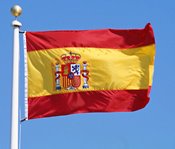
It was only a matter of time before Stem Cells made it into the limelight for sports injury.
I have already lost count of the number of football-mad friends who have asked me if StemLife can treat Wayne Rooney's broken metatarsal so that he can play in the upcoming important matches (on which they may have placed their bets). Wayne Rooney's injury has stirred up much frustration and I suspect there are no lack of prayers for his quick recovery.
Truth: we have yet to see any report using stem cells for broken bones (including the little toes) especially since they can heal quite well on their own, given appropriate healing time.
Anyway, today I read an announcement from a group of Universities in Spain (Jaen, Almeria & Granada) who have formed a collaboration with the University of Malaga to work on improving cartilage damage in sports injuries for "elite sports people" (only the best!). This collaboration team is led by Dr. Antonio Aranega (University of Granada) and Dr. Juan Antonio Marchal Corrales (University of Jaen) and will seek to use peripheral blood derived mesenchymal stem cells, collected, cultured and applied in athletes with cartilage damage.
The project only lasts one year, which is quite short and funded by a grant of 15,650 Euros (USD 20,027 or RM 72,492- not a whole lot is it...) from the Spanish education and Sports Ministry (I hope Malaysian Sports Ministry will be 10X more generous if we should want to do something like this).
Questions: How much blood is taken from each athlete? How many cells are cultured? How many cells are injected, how and where?
We can assume that sports injury is a big issue in Spain, especially as soccer (think Real Madrid, Barcelona, Valencia etc), cycling and horseback riding are big tourism and revenue generators for the country. I'm just not sure how their trials will be run on those funds and how many patients they will be able to enrol in this study. Perhaps it is a prelude of what is to come if this trial is successful.
The group has also announced that they will eventually be working on a parallel exploration on embryonic stem cells -as some of their researchers were previously from Karolinska Institute in Stockholm- and have had the relevant experience. I'm wondering if embryonic stem cell pursuits will be equally funded and encouraged in a largely catholic country (>90%), and whether more encouragement will be given to the development of the adult stem cell protocol.
In Malaysia and Thailand, football commands a good following and there are probably many players out there whom this news may interest. I have friends who play Futsal (indoor soccer) and they sometimes have injuries which cause them to limp around for a few weeks or months. Other key Malaysian sports include racquet games like badminton, squash and table tennis.
Of course, we musn't forget Formula One and sailing, but that audience mostly suffers from strained necks, sprained ankles and tired legs from standing and chasing the good-looking crew around. Who knows, perhaps StemLife can treat or prevent these ailments with the aid of stem cells in the not too distant future.
Other research news on cartilage repair can be found here.
If your espanol is any good, you can check the uefa website for latest spanish soccer news and rankings here.
Subscribe to:
Posts (Atom)

 Posts
Posts


